
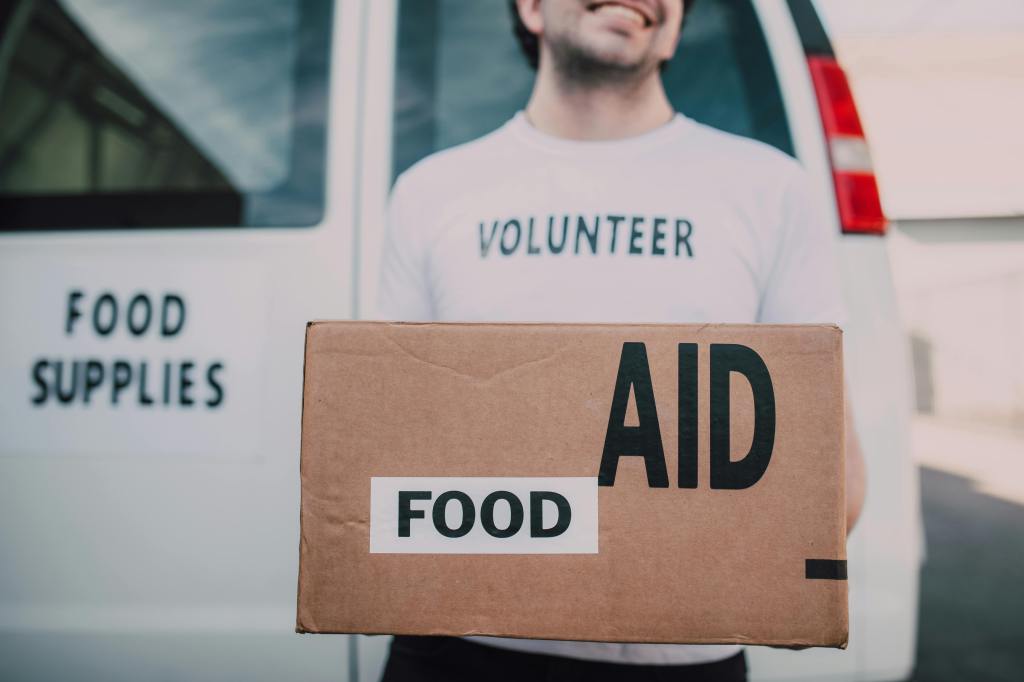
Confessions About Development Sector Professionals
We are once again living through a moment in history marked by crisis. Ongoing conflict in the Middle East—like many global shocks before it—has rippled across societies, driving up prices, interrupting
business operations, and increasing pressure on workers who must sustain economies amid uncertainty. Governments respond with measures meant to cushion these effects and reassure citizens that the situation is being managed.
For those working in development, however, such crises are neither distant nor abstract. As a data and knowledge worker who spent eight years contributing to the development sector, these global shocks
trigger vivid memories: the Marawi siege, the super typhoons, the COVID-19 pandemic, among others. Each event unsettled the country in different ways, and each demanded a timely, effective, and often
resource-constrained response. For development and humanitarian workers, the challenge was not only to cope personally, but also to help craft solutions amid instability.
Through these experiences, serving alongside what I consider modern-day heroes, I have observed recurring qualities that allow development and humanitarian professionals to endure and deliver. I have come to describe them in three words: fast, faithful, and fearless.
Fast
Development work requires speed, not as recklessness, but as disciplined urgency. To respond effectively, professionals must be agile, resilient, and quick in producing insights or outputs that inform
decisions when time is scarce. Governments and partners often need to act within days, sometimes hours, especially during crises. There is rarely the luxury of perfect data or extended deliberation.
Within narrow windows of opportunity, development workers brainstorm, consult, conduct research, and communicate findings to leaders and policymakers. Plans shift as stakeholder dynamics change or new information emerges. In this environment, many learn to become comfortable with what is often called the “good enough”, or the outputs that are not flawless, but timely and usable.
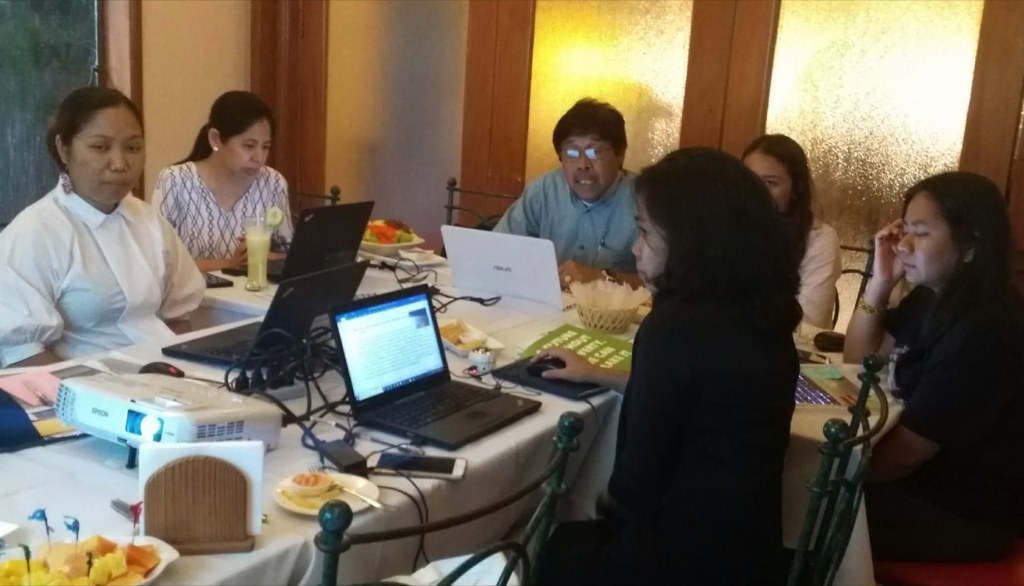
The sector frequently describes this reality as navigating a VUCA world: volatile, uncertain, complex, and ambiguous. In such conditions, rest can feel like a luxury, particularly for those in humanitarian response.
Yet development professionals persist, often tired in every sense, reminding themselves of a larger purpose, not only for their own families, but for the communities they serve.
Development and humanitarian workers are increasingly encouraged to prioritise wellbeing and self-care, with greater emphasis on adaptability and taking strategic pauses rather than focusing solely on speed. At the same time, evidence suggests that challenges to mental health remain present. For instance, a systematic review by Cameron et al. (2024), which analysed nine studies involving 3,619 participants,
reported several forms of mental ill-health among humanitarian aid workers, including psychological distress (6.5%–52.8%), burnout (8.5%–32%), anxiety (3.8%–38.5%), depression (10.4%–39.0%), and post-traumatic stress disorder (0%–25%). These findings suggest that there are continuing opportunities to strengthen support systems for those working in these contexts.
Faithful
High-stakes environments demand more than technical skill. When working with government agencies, development partners, or vulnerable communities, decisions often must be made with incomplete information. Planning and preparation remain essential, but there comes a moment when one must let go and trust—trust in experience, judgment, colleagues, and the possibility that things may still work out.
In this sense, development work calls for faith. For some, this faith is spiritual; for others, it is rooted in commitment to mission or belief in collective effort. Development professionals regularly extend
themselves to help others while facing uncertainty about their own financial security, personal plans, or future stability.
When many around them are struggling, those who endure often draw strength from believing that they, too, will be able to get through. There is a firm belief that their efforts will make some difference. Even
when knowledge and resources are limited, development workers choose to act on what is possible and doable, rather than be paralyzed by what is unknown.
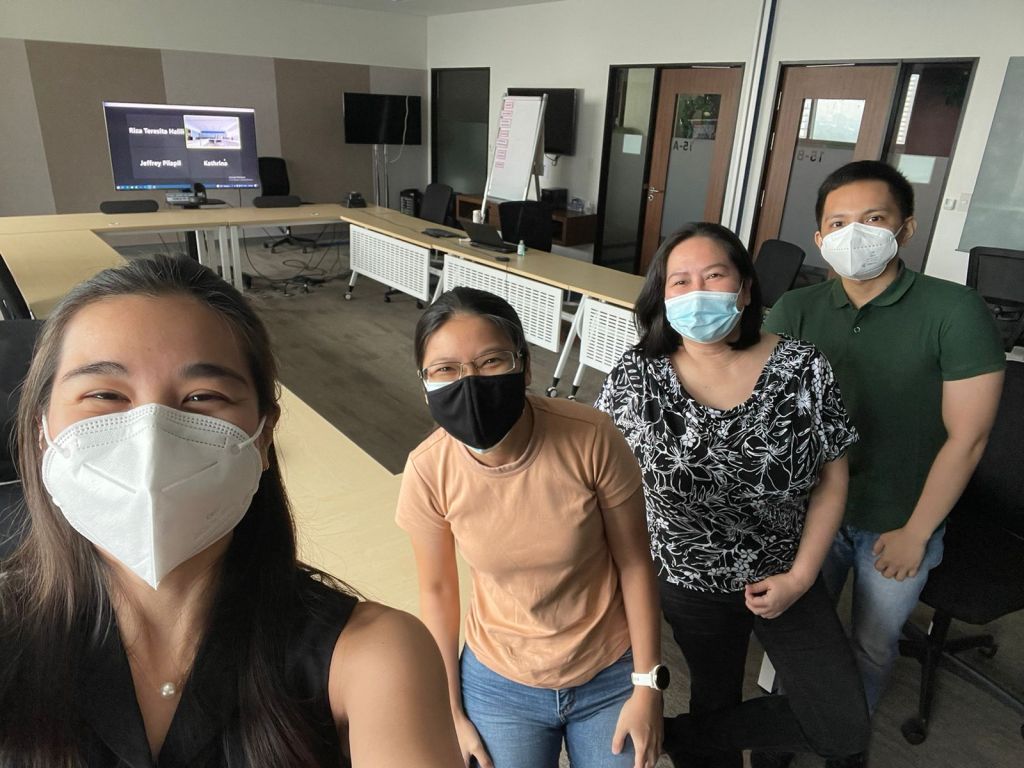
For example, a team of data analytics and research practitioners braved the floods of Manila City to fulfill their commitment to present and discuss timely and relevant research with stakeholders, helping reduce
ambiguity in critical decisions. Similarly, a former communications colleague—also a mother—went straight from a workshop to the field ahead of a typhoon’s landfall to document its impact and support a
rapid assessment with a humanitarian team. By faith, these missions were carried out successfully.
Fearless
Development work frequently involves running toward what others avoid. Typhoons, conflict, displacement, poverty, and other “wicked problems” are not sidelines—they are the core of the profession. Choosing this path often means accepting sacrifice: slower career advancement, fewer material rewards, and work that is rarely seen as glamorous or mainstream.
Development professionals may also be judged for not doing enough or questioned for focusing on marginalized communities instead of more commercially attractive sectors such as business, technology,
or innovation. Those who take on leadership roles must engage in difficult conversations—internally and externally—that carry real consequences affecting people or communities.
Fear, in this profession, is not absent. But it is met with courage. Despite the risks, development workers continue, not for prestige or recognition, but in service to others.
These observations will not apply to everyone. Everyone brings their own strengths and weaknesses. Some may feel slow, uncertain, or afraid; others may act from self-interest or be largely influenced by
donor pressure or bureaucracy. Yet many development professionals genuinely choose to serve. They carry heavy responsibilities quietly, often without public acknowledgment.
When you encounter a development worker, be kind. Be mindful of the weight they may be carrying and of the fast, faithful, and fearless work they do to hold communities together in times of crisis.
About the Author

Sheena Kristine Cases is currently a Doctoral Researcher at Monash University doing research on food waste and behaviour with BehaviourWorks Australia housed at the Faculty of Business and Economics. She served as a data and knowledge worker for development organizations such as the Save the Children Philippines, Oxfam Pilipinas, and the United Nations Development Program Philippines.




Leave a Reply