
When the cast, crews and creatives of ‘Bar Boys’ told us that this would be a bigger, better, and bolder staging, they definitely were not joking. As someone who’s seen the 2024 run of this musical and was already impressed with that version, they took this to a level that exceeded our expectations.
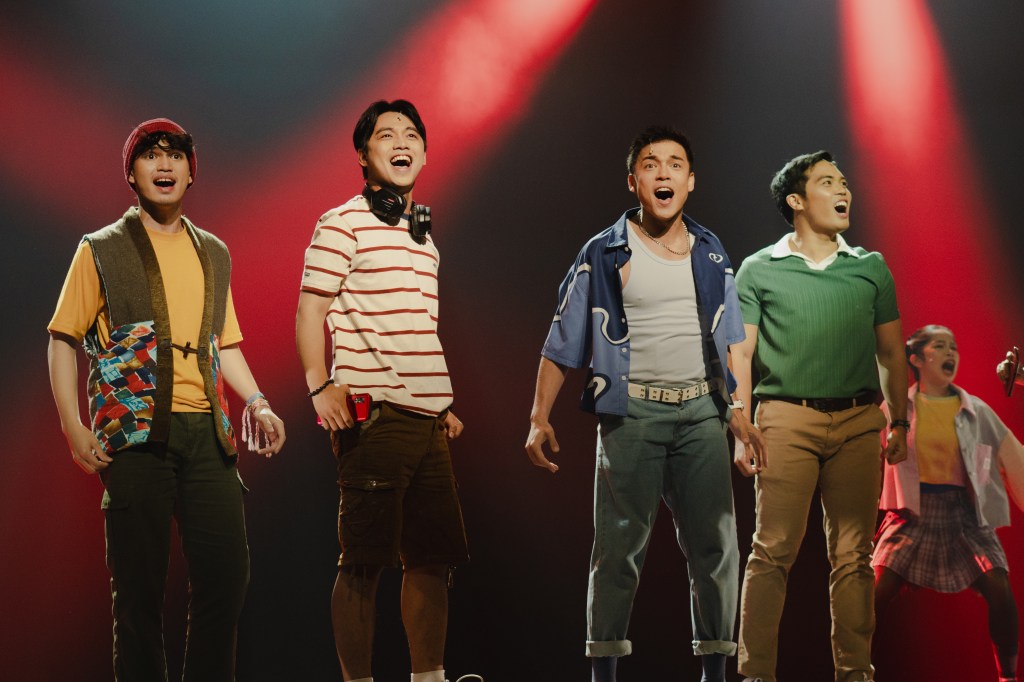
First staged in 2024 as Bar Boys: A New Musical—written by Pat Valera with music and lyrics by Myke Salomon and having enjoyed two sold-out runs at the Power Mac Center Spotlight Blackbox Theater—Bar Boys: The Musical now finds a new home in the expansive Hyundai Hall, Areté. This reimagined staging gives the story of four young men from different walks of life, whose principles, friendship, and dreams are tested within the walls of law school, a bigger, bolder space to breathe, grow, and resonate. The result is a musical that feels not just larger in scale, but deeper, more polished, and profoundly renewed. Under the vision of director Mikko Angeles, this revival is more than a rerun—it is a reinvention that pulls the material closer to real life while expanding its emotional and thematic impact.
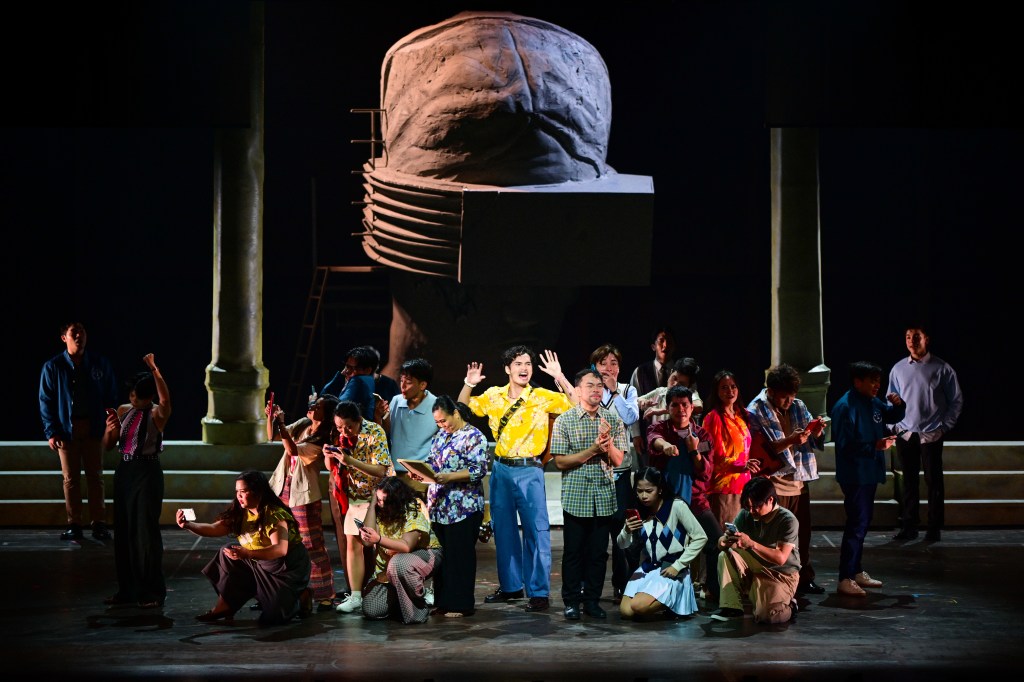
From the moment the lights go up, the production’s design elements announce themselves not as background, but as crucial storytellers. The set design by Julio Garcia and Ohm David intensify every beat of the narrative, making each scene feel grounded, relatable, and more emotionally charged. One of the most brilliant decisions is the use of the massive Lady Justice bust, placed with intentionality and nuance. It shifts and transforms throughout the show, playfully and hauntingly echoing the characters’ highs, lows, and moral conflicts. It becomes a living metaphor—sometimes watchful, sometimes fractured—capturing exactly how justice feels in the Philippines today.
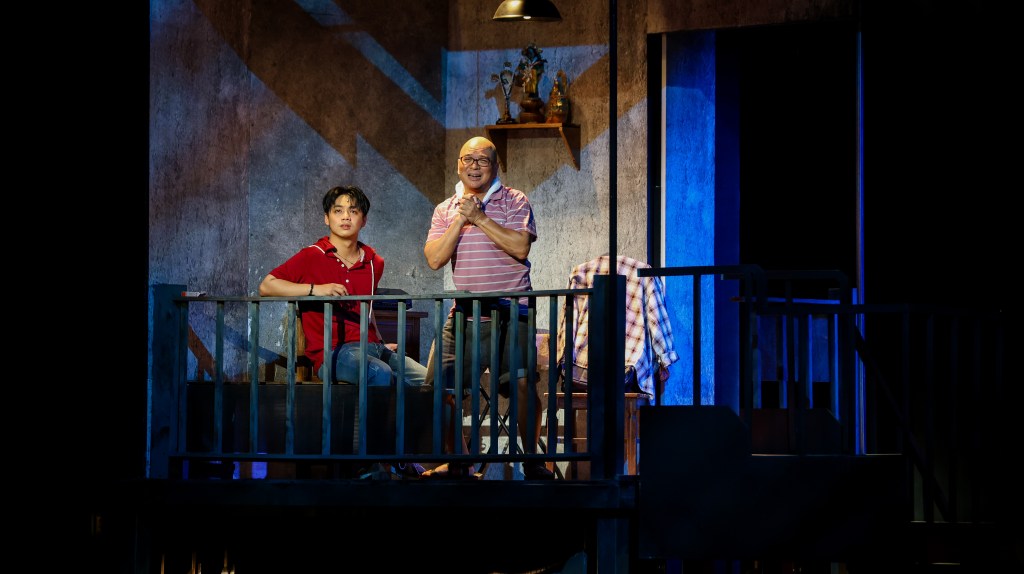
The lighting design by Meliton Roxas Jr. and Jethro Nibaten plays an equally vital role, shaping the emotional landscape with shadows, harsh beams, and soft illumination that guide the audience through the characters’ internal struggles. Paired with Aron Roca’s elevated sound design, moments of dialogue and song become clearer, heavier, and far more affecting. Even the silence carries immense weight — like the scenes where Paping waves to Erik in the dark, or when the two of them clutch a rosary — landing with heartbreaking force, no music or words necessary.
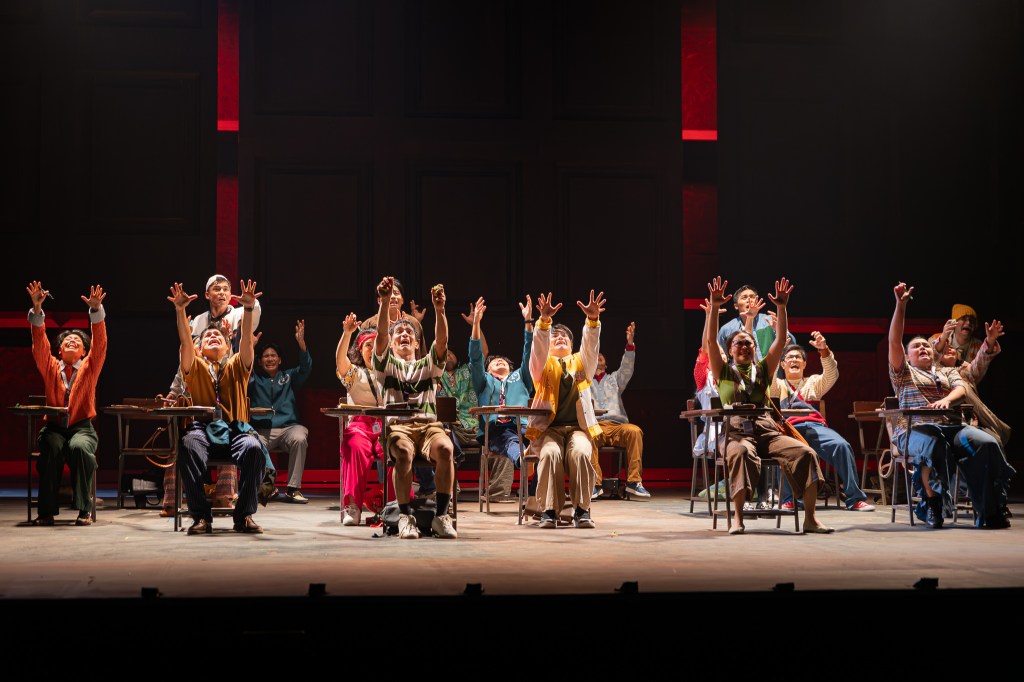
Movement becomes another essential language in this rerun. Jomelle Era’s choreography is bigger, cleaner, and more purposeful, with each gesture and transition helping propel the narrative forward. Scenes are also done so smoothly and shifts seamlessly, ensuring that nothing distracts from the story unfolding at center stage. Everything works in harmony, making the emotional moments land more powerfully.
But perhaps the most striking evolution lies in how the characters and their relationships are portrayed. The juxtaposition between Erik (Benedix Ramos) and Chris (Alex Diaz) is emphasized not only in performance but also through staging and design choices, giving deeper weight to their parallel yet opposing journeys. Their lives, now more textured and more painfully intertwined, expose how two people can pursue the same dream but walk entirely different paths based on the cards life dealt them.
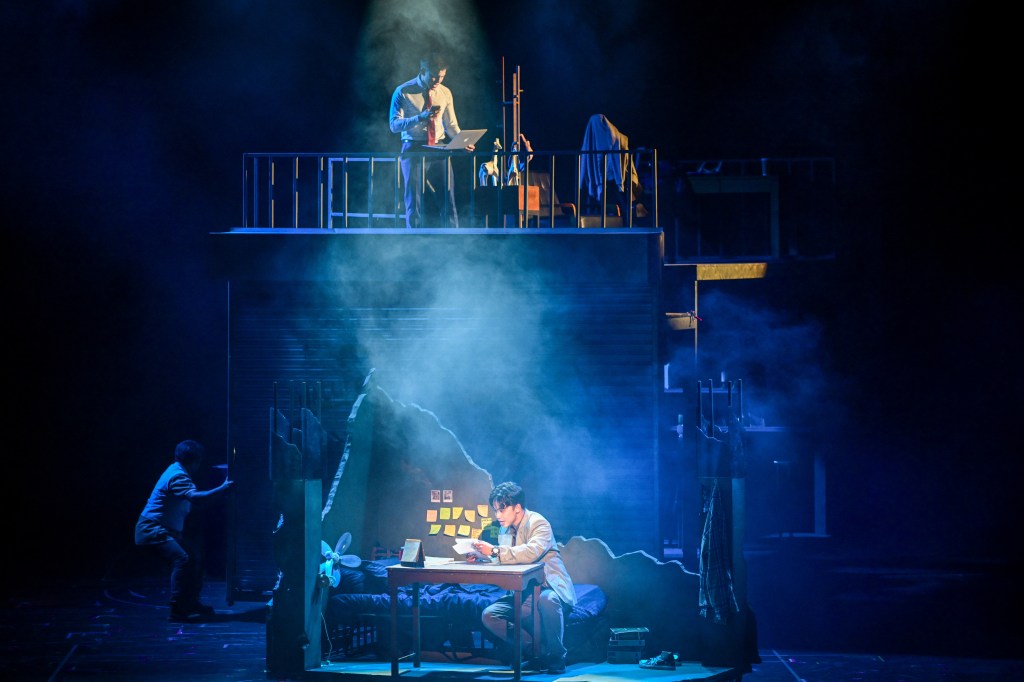
The emotional backbone of the show—Paping (Juliene Mendoza) and Erik’s relationship—remains as heartbreaking as ever that we can’t help but shed tears. Their scenes emphasized the brutal reality of dreaming under the weight of poverty, and how hope can feel like both a gift and a burden. In contrast, the strained relationship between Chris and Atty. Carlson (Nor Domingo) offers its own commentary on nepotism, legacy, and the pressure of expectations. It sheds light on another dark corner of the legal world: the unspoken advantages that shape careers long before a future lawyer even steps into a courtroom.
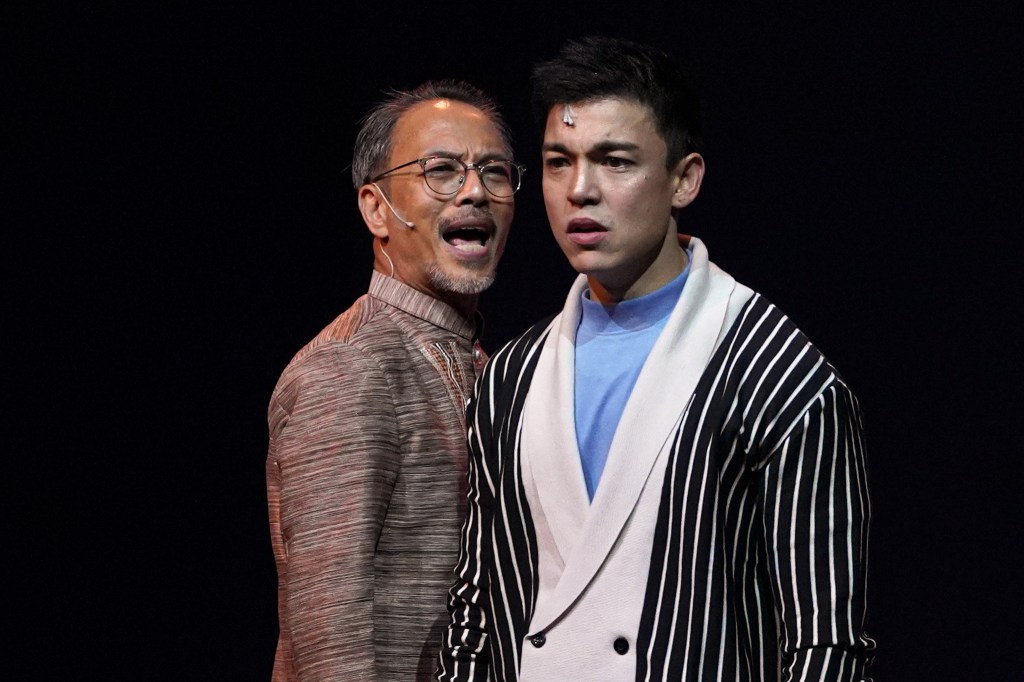
One of the most refreshing improvements in this revival is the spotlight on the ensemble. Their expanded narratives showcase the diversity of experiences within law school—students battling financial limitations, family pressure, broken self-esteem, and societal expectations. By giving these characters room to breathe, the show mirrors the multilayered realities of legal education in the Philippines and the systemic injustices embedded within our institutions.
Meanwhile, Sheila Francisco as Justice Hernandez delivers a commanding presence, grounding the show with a portrayal of integrity and authority that reminds audiences of the ideals the system often fails to uphold.
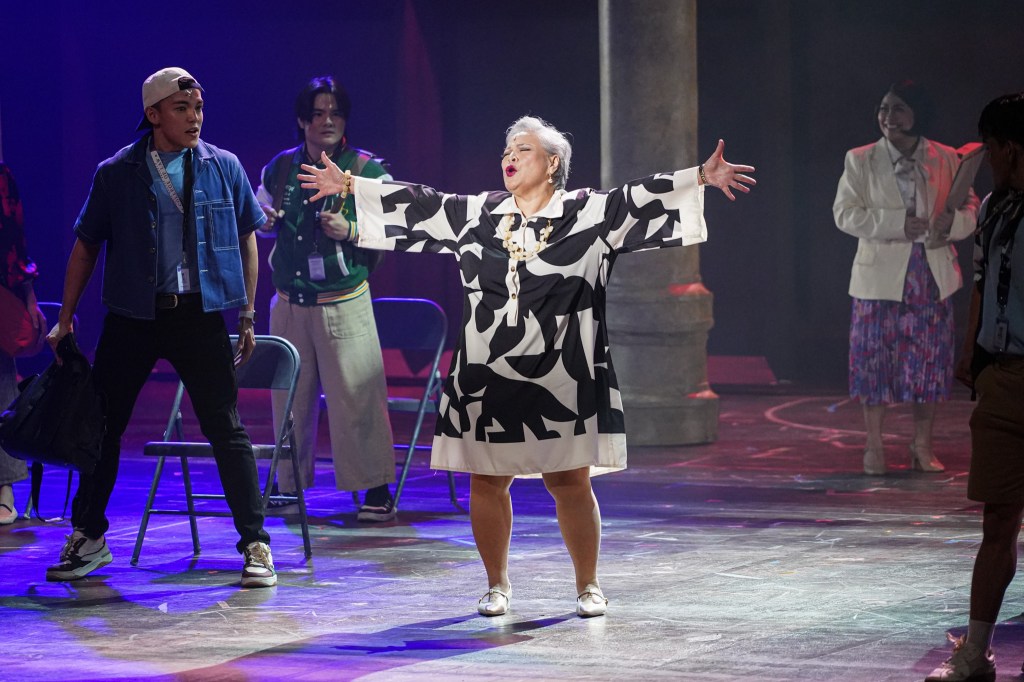
What truly sets this musical apart is how honestly it reflects the realities of the country’s legal system. It doesn’t hide the cracks—corruption, privilege, moral compromises, and the emotional toll of trying to stay “good” in a system designed to wear people down. And yet, for a show grounded in themes of fairness, equality, and justice, it never loses its heart. It stays entertaining, engaging, and deeply human without ever feeling preachy.
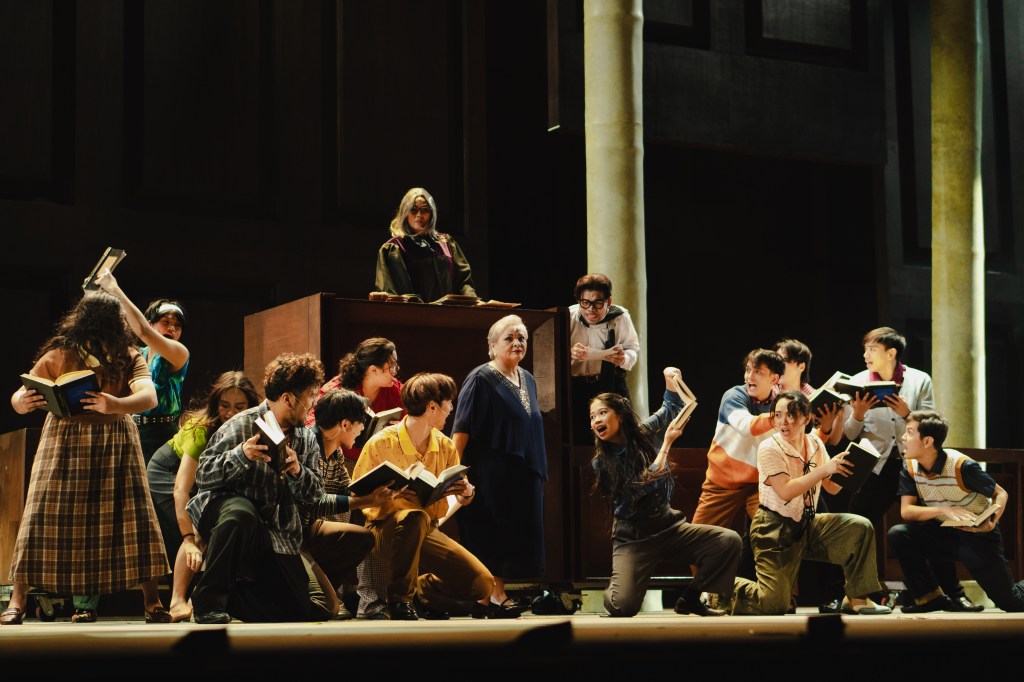
It is a production that doesn’t simply entertain. It provokes. It exposes. It demands a conversation. For a musical about fairness, equality, and justice, Bar Boys: The Musical succeeds in balancing all its elements to tell a powerful story about our continuous cry for justice.
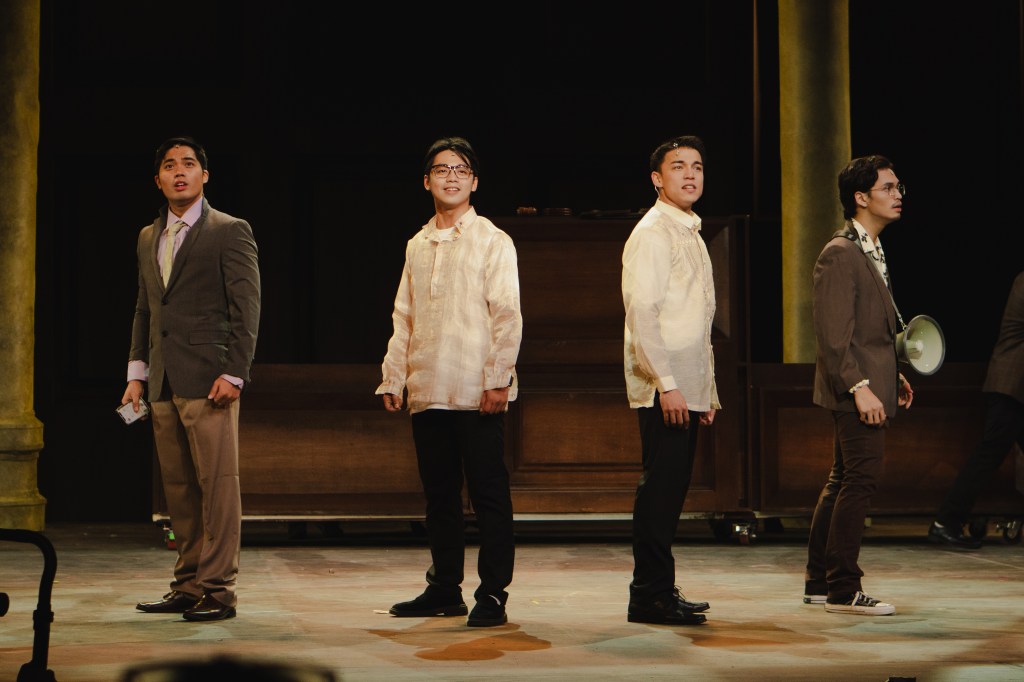
And in an age when justice often feels uncertain, stories like Bar Boys: The Musical remind us why we must keep fighting to imagine and build a better system.
Bar Boys: The Musical runs only until November 30 at Hyundai Hall, Areté, Ateneo de Manila University in Quezon City — don’t miss your chance to catch it while you still can. Tickets are available via Ticket2Me, ranging from P999 to P3,499. Secure your seats now and experience the show everyone’s talking about.
About the Author

Apple Gamboa is the Life Editor of SubSelfie.com.
She is also the Senior Executive for Corporate Communications for Canon Philippines.




Leave a comment