
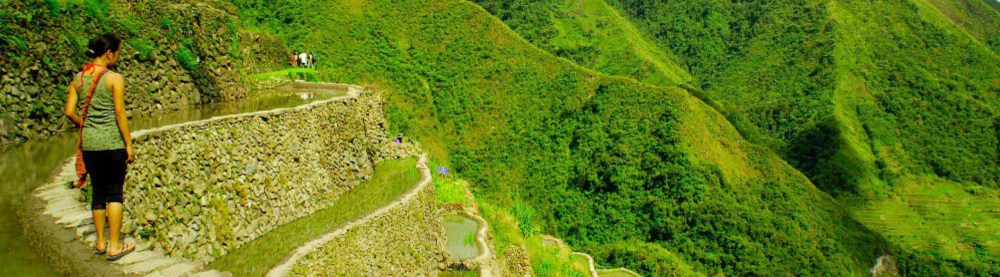
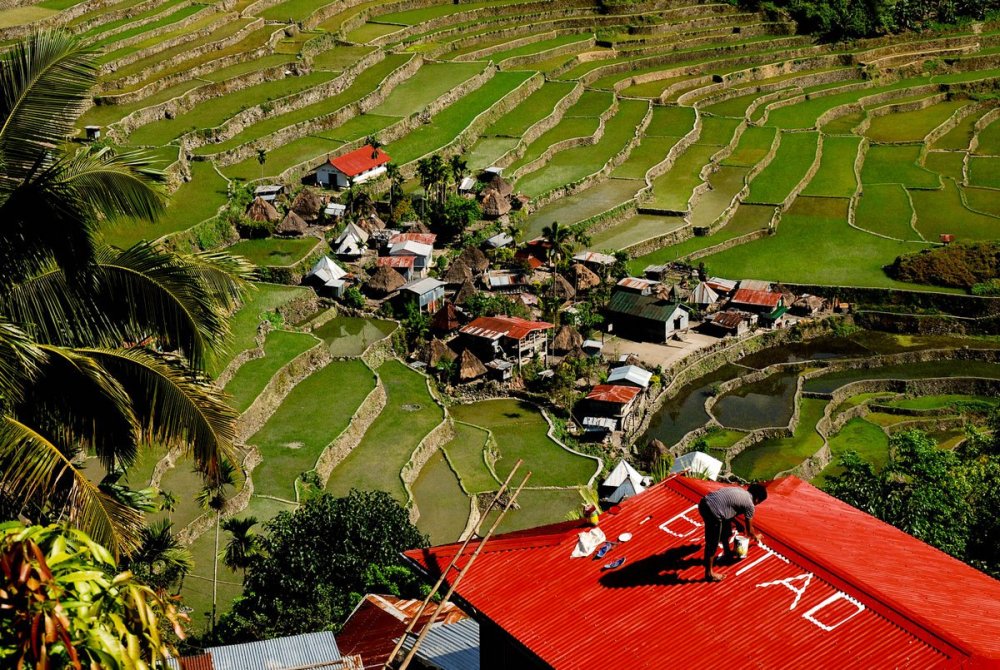
If you ate today, thank a farmer. Food is crucial for survival, and yet, the agriculture sector remains the second poorest sector in the Philippines, according to the Philippine Statistics Authority. We are dubbed as an agricultural country, blessed with water teeming with fish, thick forest for vegetation, and hectares of land that extend from mountain to mountain, and yet this is a nation where farmers beg for food, till the land of others decades, and still earn a measly salary by the end of the day.
Seventy percent of the poor families in our country are rural. The average income of a Filipino farmer working on a 1.5-hectare land is pegged at P2,250 a month.
To ensure food sovereignty and alleviate the burden of poverty in rural areas, agriculture plays a critical role in the next administration’s agenda. What are the current platforms of the presidential candidates for the agriculture sector?
Irrigation
All presidential candidates have promised free or additional funding for irrigation. Free irrigation can really take some burden off the farmers’ shoulders, but according a farmer leader I interviewed, additional irrigation is what is truly needed at this point.
“Dapat dagdag na irrigation hindi libreng irrigation. ‘Yung mga farmer na walang surface irrigation, dapat magka-shallow well irrigation,” farmer Sonny Domingo said. (There should be additional irrigation not free irrigation. The farmers without surface irrigation should have shallow well irrigation.
Over 40 percent of total irrigable land area in the Philippines does not have irrigation. This accounts for 1,311,546 hectares out of 3,019,609 total irrigable area based on the data culled by the National Irrigation Administration. Former Agriculture Secretary and InangLupa Movement President Dr. William Dar agrees: “We have underdeveloped irrigation systems. Water is one key investment area in agriculture.”
Amidst the promises of free irrigation, another question remains unanswered. Where will they get the funding?

Crop Insurance
While irrigation plays a crucial role in keeping the productivity of the land, persisting natural disasters and climate change must also be taken into the context when building a sound platform. Senator Grace Poe and Vice President Jejomar Binay push for crop insurance among farmers in the event of a disaster such as flooding or drought.
This concept is not new to farmers. It could be a game-changer in the lives of the small farmers. However, it could also really be taxing when red tape comes in.
“Dapat kasama yung dapat kikitain nya sa insurance . Dapat ‘yung wala ng kailangan proof na nasira sya. Dapat ang magsabi na nasira ang lugar nya ay ‘yung representative ng gobyerno na siya naman din panggagalingan ng bayad,” Domingo says. (They should include the earnings for insurance. Proof should not be required if it gets ruined. The government representative should be the one to the attest that the irrigation broke down since the payment comes from them.
Agri-Industrialization
All presidential candidates also agree that making the agriculture marketable and profitable is key in the success of farmers.
Davao City Mayor Rodrigo Duterte believes he can modernize agriculture by focusing on transportation system in the Food Basket of the Philippines: Mindanao. He plans to build a trail for an efficient food transport system as well as food terminals in major food hubs.
Liberal Party Standard Bearer Mar Roxas has a more tacky name for his platform: Bukid Revolution. Under this framework, he intends to modernize post-harvest facilities to reduce the wastage, losses, and production cost. Roxas also wants to focus on increasing the rice production in the country.
To ensure food security, Senator Miriam Defensor-Santiago wants to promote contract-growing to help small farmers establish links with commercial farms and manufacturers. She also wants additional incentives for banks to lend directly to farmers.
In order to increase productivity, Binay believes that there is a need to shift the the agricultural framework from the limited scope of farming to agri-business. This is the same framework he did for Makati City: make the sector profitable for business partnerships, modernize the infrastructures, and increase productivity.
Poe, on the other hand, wants to invite agribusiness powerhouses to invest in the agriculture sector and transfer technology and expertise to our farmers.
Venturing into agri-industrialization is long overdue, says former Agriculture Secretary Dar, and the candidates are in the right place investing in modernization of farms. However, he notes that this can also be a tricky trade, and might put the small farmers in a tight situation if handled wrong.
“Go inclusive agri-industrialization strategy. Farmers should be part every step of the way of the development process. They should benefit from the markets that we are able to generate,” Dar says.
Crime and Smuggling
Among the candidates, Duterte and Santiago have stated clear opposition against crime and rice smuggling. According to a report by the Samahang Industriya ng Agrikultura (SINAG), up to P64 billion is lost revenues from 2013 to 2014 due to widespread smuggling of agricultural products.
Smuggling can be declared as economic sabotage as large-scale smuggling of sugar, corn, pork, poultry, garlic, onion, carrot, fish and vegetables persists in the country.
Research and Development
Of the presidential candidates, only Duterte and Poe have expressed intention in focusing on research and development of the agriculture sector.
Duterte wants an inventory of natural assets and a plan to map the topography, soil quality and marine assets that best suit the needs of the market. This “agricultural guide map” will also indicate soil suitability, climactic conditions, and rainfall patterns, he said. Meanwhile, Poe wants to conduct a nationwide soil health mapping and analysis.
This investment on research is also a long overdue project of the government, says Agriculture Czar Dar. “Today we are investing only 0.1% of our GDP while the recommendation of UN we have to invest at least GDP,” he says.
High Time
We are an agricultural country, yet agriculture is one of the most neglected sectors in the Philippines. The presidential candidates know there is a need to focus on the agriculture to sustain economic development and food security.
The platforms, although needing more concrete and realistic goals, reflect an interest in making farming more sustainable. The question now falls on the implementation and execution of these plans.
And so the waiting game begins.
[Entry 131, The SubSelfie Blog]
About the Author:

Hon Sophia Balod is a storyteller. She is currently a News Producer of special reports and features for Balitanghali, Saksi, and State of the Nation with Jessica Soho. She is also a media fellow of the Philippine Center for Investigative Journalism for Basic and Advanced Investigative Reporting. Journalism 2010, UP Diliman. Read more of her articles here.
Editor’s Note: The writer also aired these report on GMA News. Part 1: Platforms of Presidentiables on Agriculture. Part 2 : What Do the Experts Have to Say?






Leave a Reply