
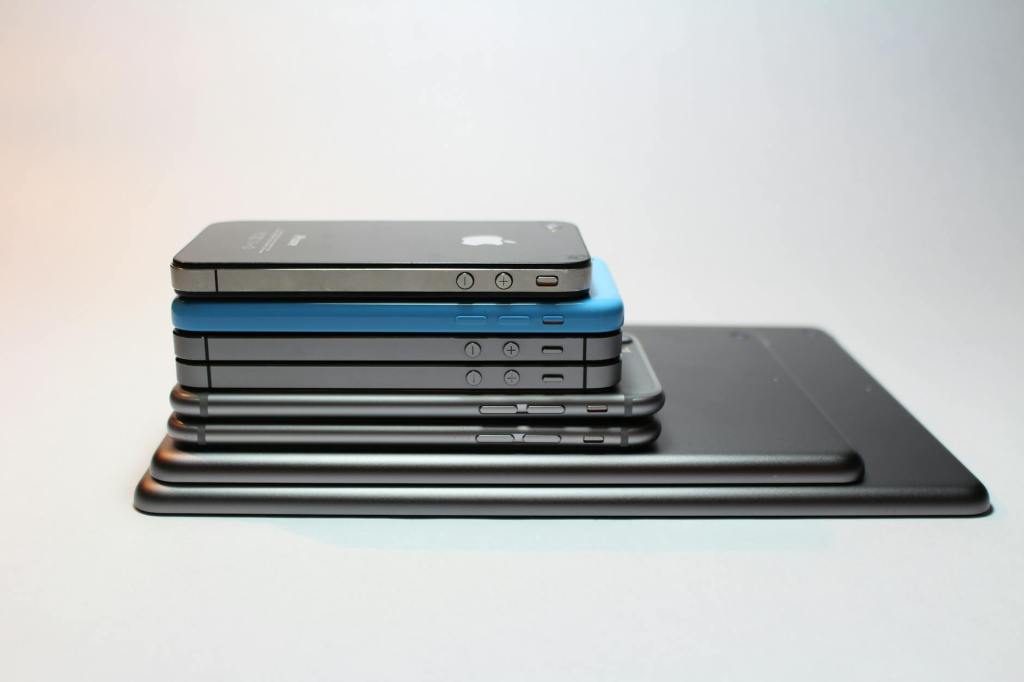
Apple is preparing to break its design stagnation with an ambitious three-year plan to completely reinvent the iPhone, according to Bloomberg‘s Mark Gurman.
After years of minimal visual changes, the tech giant is set to launch its most significant smartphone transformation since the iPhone’s early days.
iPhone Air debuts September 2025
The revolution begins in September with the introduction of the iPhone Air, an ultra-thin model replacing the iPhone 16 Plus. Following Apple’s successful MacBook Air strategy from 2008, this device prioritizes portability over power.

“Like Air computers over the years, there will be compromises: Battery life will be subpar, with only one rear camera and no room for a physical SIM-card slot,” Gurman reports in his Power On newsletter. The iPhone Air will also feature Apple’s first in-house modem chip instead of more powerful Qualcomm versions.
Alongside the Air, Apple will release the iPhone 17, 17 Pro, and 17 Pro Max models. While these maintain familiar designs, the Pro versions will introduce a revamped camera system and come in a new orange color option, with the Air available in light blue.

Foldable iPhone finally arrives in 2026
The most anticipated change comes in 2026 with Apple’s first foldable iPhone, codenamed V68. This Samsung-style book-fold device will open into a small tablet format and feature four cameras positioned strategically across its surfaces.
Apple recently modified the foldable’s screen technology, switching from on-cell to in-cell touch sensors to reduce the visibility of the crease and improve touch accuracy. The device is currently being tested in black and white variants.
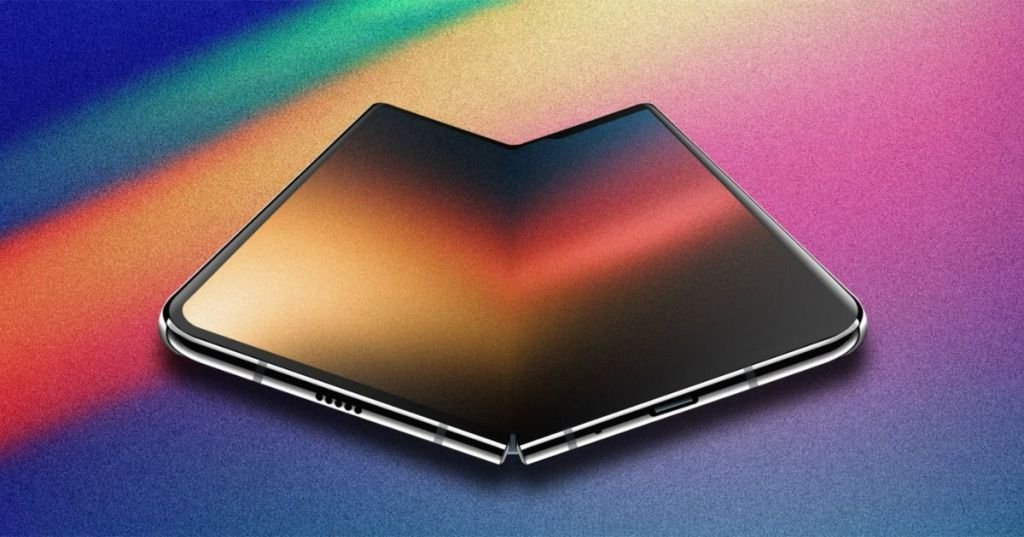
“I’ve been clamoring for a foldable iPhone for years, and Samsung has proven how valuable the category is for power users and video watchers,” Gurman notes. The foldable will notably use Touch ID instead of Face ID and will lack a SIM-card slot.
The transformation concludes in 2027 with the “iPhone 20,” celebrating the smartphone’s 20th anniversary. This model will abandon the squared-off design used since 2020 in favor of curved glass edges, complementing Apple’s new Liquid Glass interface.
Apple services revenue under pressure
Beyond hardware changes, Apple faces significant challenges in its services division, which generates roughly $100 billion (PHP 5.6 trillion) annually.
Government regulations threaten App Store revenue, while the company’s $20 billion (PHP 1.13 trillion) search deal with Google faces potential judicial termination.

To compensate, Apple has introduced AppleCare One at $20 (approx. PHP 1,133.10) monthly for three-device coverage and raised Apple TV+ pricing from $9.99 (PHP 565.98) to $12.99 (PHP 735.95). The company is also developing Apple Health+, an AI-based health coaching service launching next year.
AI talent exodus continues
Apple’s artificial intelligence struggles have intensified with six key AI employees leaving for Meta in just eight weeks. The departures include Frank Chu, a director in AI infrastructure, and Ruoming Pang, who led Apple’s models team.
These exits coincide with Apple’s consideration of external AI partners for Siri. The company is discussing partnerships with Google, Anthropic, and OpenAI, with Google currently training a custom Gemini model for Apple’s Private Cloud Compute servers.
Looking forward
Despite current challenges, Apple’s comprehensive iPhone redesign strategy signals confidence in its flagship product’s future. The company is also developing numerous other products, including display-less smart glasses, tabletop robots, and a long-delayed HomePod with screen.
As Gurman concludes: “The bottom line: 2025 won’t be a revolutionary year for the iPhone. But it will lay the foundation for major shifts in 2026 and 2027, making it an exciting time for iPhone fans.”
This three-year transformation represents Apple’s most ambitious smartphone evolution in over a decade, potentially rekindling the excitement that once had customers lining up for new releases.
Edited by JM Nualla





Leave a comment