

From garden to table: Filipino families embrace homegrown first foods
In Barangay Banlot, a remote community in Sibonga, Cebu, Hannah Jane Cabardo raises her baby, Caedhen, on food grown just steps from their home.

Alongside breastfeeding, Hannah prepares homemade purées using vegetables and fruits from the family garden—carrots, upo, and bananas, steamed and mashed by hand.
These meals mark the beginning of complementary feeding at 6 months, a critical phase when babies start eating solid foods while continuing to breastfeed.
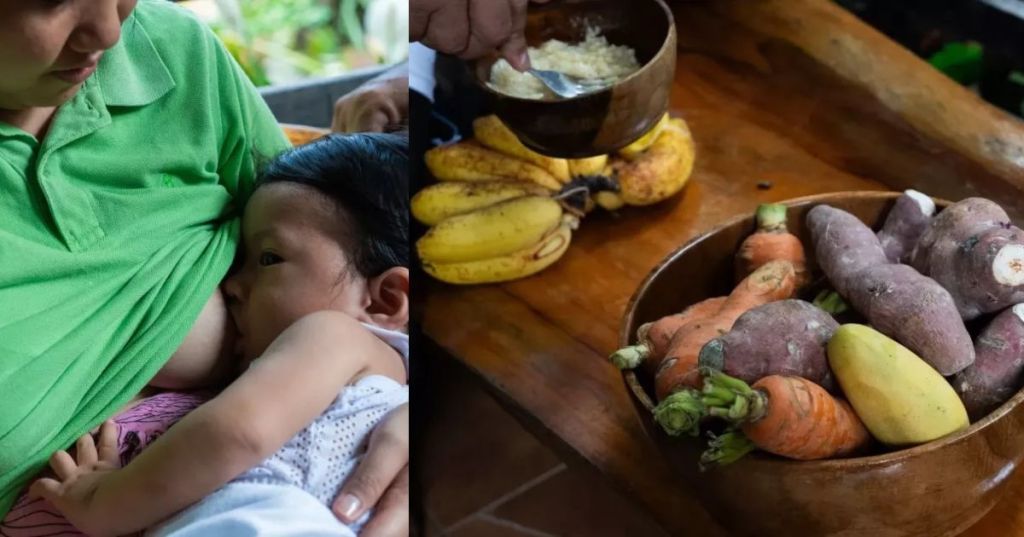
The SUGBUsog program, a provincial initiative, provides seedlings and farming support, ensuring Hannah’s family can harvest the nutrition they need even when produce is scarce or expensive at the market.
Hannah’s feeding approach is shaped by both her family’s harvest and what she’s learned from local health workers. Through the Philippine Multisectoral Nutrition Project (PMNP), the Barangay Nutrition Scholar taught Hannah how to prepare nutritious foods from a variety of homegrown products. Her parents help maintain the garden so the family can always offer Caedhen nutritious meals.
“With support from both SUGBUsog and PMNP, her family is able to provide the kind of early nutrition that helps children grow up healthy—starting with simple meals, made at home,” reports UNICEF Philippines.
Homemade baby food vs. commercial brands: Health risks revealed
Despite these successes, the challenges are stark for many Filipino families.
However, the study also revealed 44% of products assessed contained added sugar or sweeteners, and over a third surpassed recommended sodium limits—posing risks for long-term health due to early exposure to salt and sugar.
Parents are diligent: 81% report reading labels and 62% trust the nutrient claims on packaging, the COMMIT study found.
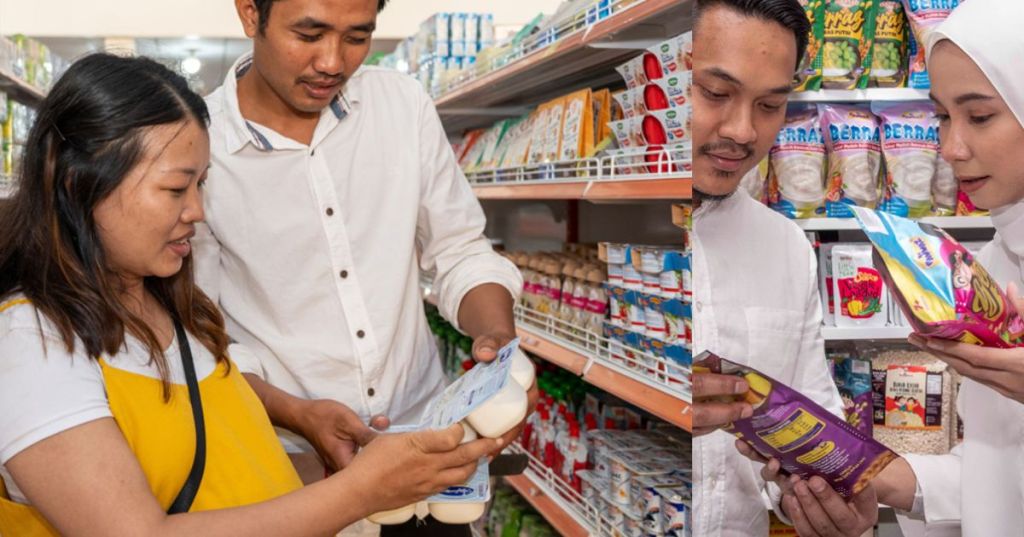
However, manufacturers exploit this trust through widespread use of health claims. Weak national regulations allow misleading health claims and high levels of sugar and salt, leaving many caregivers with few good options for their children. In the Philippines, the lack of mandatory labeling in Filipino and limited regulatory restrictions on additives further complicate healthy choices.
“Taste preferences are also developed during infancy and childhood and early exposure to salty foods and sweet foods and beverages may increase salt and sugar intake later in life,” the report stated.
The study analyzed over 1,600 commercially produced complementary foods (CPCF) across seven countries: Cambodia, Indonesia, Laos, Malaysia, the Philippines, Thailand, and Vietnam.
Stronger nutrition policies and community support needed
The path forward relies on more than individual effort. In places like Banlot, climate threats, market distance, and fluctuating food prices make home gardens and community support essential. Sustainable local food production, ongoing education, and frontline nutrition advocacy are playing increasingly vital roles in child health.
But reducing child food poverty—when children lack access to diverse and nutrient-rich foods—means governments must step up. The research exposed critical gaps in national regulations across the region.
Cambodia and the Philippines have no regulations restricting added sugar or sweeteners in baby foods, essentially allowing manufacturers to add these ingredients freely. Meanwhile, countries like Indonesia, Malaysia, Thailand, and Vietnam permit sodium levels double the internationally recommended amount.
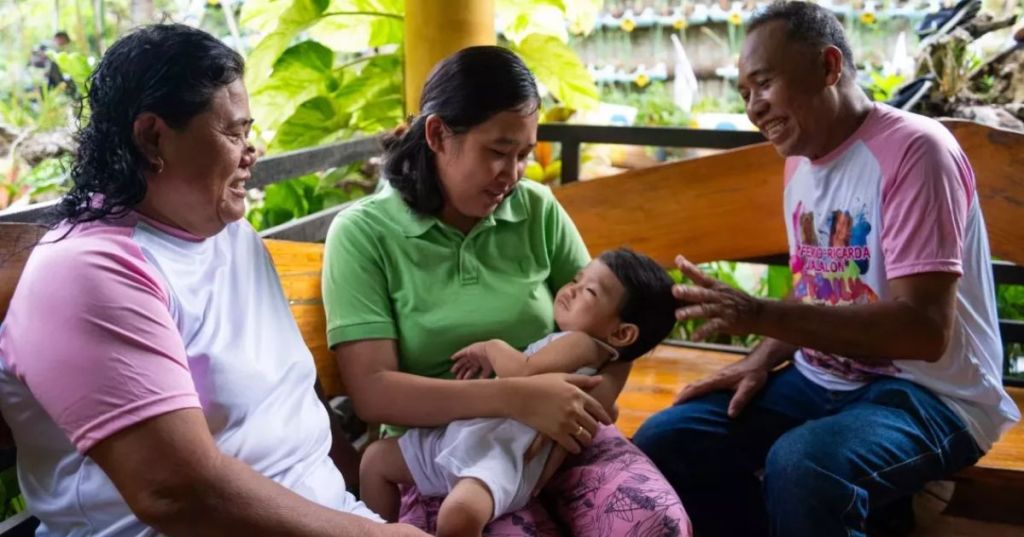
Stronger systems are needed: investment in small-scale agriculture, training for health workers, and integrated community programs that connect farming, health, and nutrition, especially in the critical first 1,000 days of life.
As UNICEF Philippines reminds us, “Complementary feeding works best when families have both the knowledge and the means to provide the right variety foods at the right time.”
With commercial options falling short, the story of Hannah Jane Cabardo stands as a blueprint for nourishing the next generation: empowering families, equipping communities, and holding industry to account.
Edited by JM Nualla





Leave a comment