

Social life strains budgets for Gen Z and millennials
A new survey from Ally Bank suggests many young adults are paying a premium to stay connected with friends—and it’s reshaping their financial priorities.
Released July 30, 2025 ahead of International Friendship Day, the “Friendship Tab” report found 3 in 5 Gen Z and millennials say social spending impacts their financial goals, while 44% have skipped major events because of cost.

Despite the pressure, 69% still prioritize in-person connection at least weekly, underscoring a persistent tug-of-war between community and money.
The survey of 1,000 Gen Z and millennial respondents reports average monthly spending of $250 on friend-related activities, and shows only 18% keep a strict budget for going out with friends.
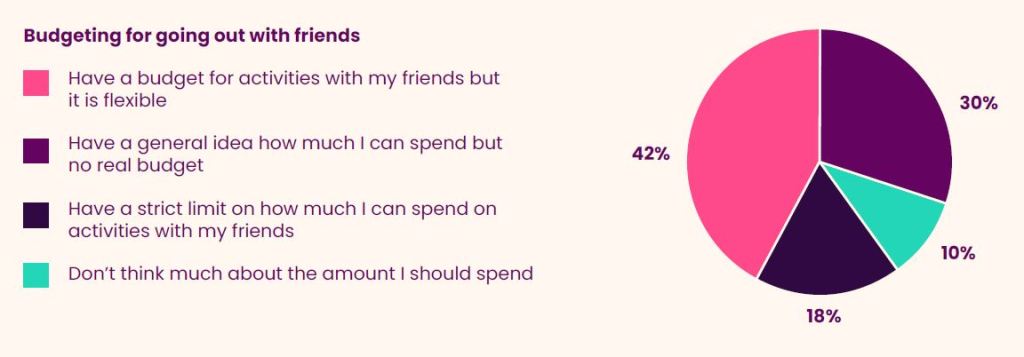
Popular habits—like regularly meeting at restaurants and bars—continue to drive recurring costs, with nearly one-third saying they go out weekly or more.
FOMO, anxiety, and gender gaps emerge
The emotional toll of money differences among friends is clear. Nearly a quarter report feeling anxious about financial or lifestyle gaps with peers, and 22% often feel anxiety when unsure they can afford a social activity, according to Ally. Almost 1 in 5 say they haven’t always felt comfortable being honest with friends about their financial situation.

Women in particular report sharper strain: nearly 1 in 3 Gen Z/millennial women say social spending makes building savings difficult, and more women cite challenges paying monthly credit card bills compared with men.
“FOMO is real and can lead to overspending that harms our financial well-being,” said Jack Howard, Head of Money Wellness at Ally. “Be open with your friends if you can’t swing that brunch or birthday trip… the ultimate BFF is someone who respects your relationship with money.”
Planning tools and a ‘friendship fund’
Ally executives argue the tension between friendships and finances can be managed with better planning.
“I absolutely believe you can have both – meaningful friendships and healthy finances – it just takes a little planning,” said Lindsay Sacknoff, Head of Consumer Banking at Ally. “Using tools like our savings or spending buckets to set up a ‘friendship fund’ can make it easier to say yes to plans without stress.”

The bank pointed to its Money Roots program—free, one-hour workshops on money psychology launched nationwide in 2024—as one way to help people explore the beliefs and behaviors that drive spending, saving, and investing.
The survey was published to mark International Friendship Day observances, recognized by the United Nations on July 30 and widely celebrated in several countries on the first Sunday of August—falling on August 3 in 2025.
Edited by JM Nualla





Leave a comment