
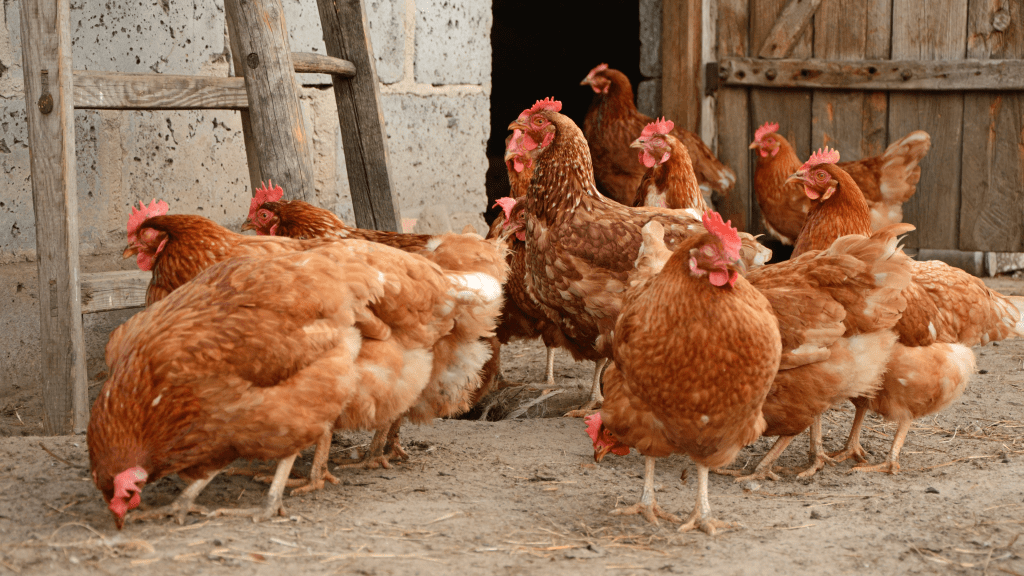
83% of Filipinos want cage-free eggs, but food companies are ‘nowhere near’ delivering
Advocates in July launched a new local effort to hold multinational corporations accountable for breached commitments to transitioning to cage-free eggs, which the majority of Filipino consumers have expressed support for.
Per findings by a nonprofit think tank, 83% of Filipino consumers want food companies to source their eggs from cage-free environments while 95% agree that hens should not be kept in cages.
As it currently stands, though, no legislation exists compelling multinational corporations to publicize their commitments. Come October, the Pinas Initiative for Accountability (PIA) is set to come up with a 2025 Cage-free Tracker mapping the commitments of all Philippine-based companies.
“Filipino consumers are being left behind in a time when they deserve transparency. It’s not enough to make promises abroad and hide behind silence locally. We call on local authorities to take action to protect our Filipino consumers,” said Nancy Samonte, program manager of the Philippine Initiative for Accountability.
Cage-free systems are recognized around the world as a more humane standard of animal welfare. Unlike battery cages, they allow hens to move more freely and express natural behaviors like perching, nesting, and dust bathing while significantly reducing the amount of time they spend in pain. Local egg producers have been producing and supplying cage-free eggs, PIA said.
Philippine-headquartered companies have committed to cage-free sourcing. For instance, Jollibee pledges to transition to 100% cage-free eggs in the US by 2025 and 100% cage-free eggs by 2035 globally – sparing millions of hens from cruel cages.
However, while local producers have begun stepping up, multinational companies operating in the Philippines have yet to show the same level of urgency and transparency. Despite high-profile global pledges, many remain vague or silent about their progress within the Philippine market.
“Our consumers already buy into global brands that market themselves as ethical and sustainable. If those same brands are charging premium prices locally while cutting corners on animal welfare they follow elsewhere, then we are being lied to,” Samonte also said.
The collective is set to engage government agencies to align cage-free efforts with ESG and food sustainability frameworks.
It is also in active dialogue with major brands, pushing them to publish local transition plans that match their global standards. Others have pledged to go cage-free by 2025. But with the deadline looming, there remains no clear update on how far they’ve come as of this writing.
“The goal is simple: empower consumers and pressure companies to stop treating ethical sourcing as optional in the Philippine market. We want Filipinos to see which companies are true to their word, and which ones are not,” Samonte finished.
About PINAS Initiative for Accountability:
The Philippine Initiative for Accountability (PIA) is a newly launched advocacy effort that aims to ensure corporations in the Philippines fulfill their public commitments to transition to cage-free eggs by 2025—commitments already being met in other countries.
Press Release





Leave a comment