
Trigger warning: The article mentions emotionally challenging mental health issues such as suicide, substance abuse, and sexual abuse.
More than 20 million students are back for another school year on Monday, looking forward to new learnings, making progress in their education, and seeing their friends, among others. In the same vein, concerns about continuing adjustments and mental health issues related to the Covid-19 pandemic remain. This is what emerged from the webinar held by Argao Psych the weekend prior to the opening of classes. The session, entitled: Supporting your child’s mental health: strategies for the new school year, aimed to raise awareness and address psychological issues confronting students in the context of the ongoing transition from the pandemic.
Pre-pandemic student life
Even before the pandemic, academic life in the Philippines was already quite challenging and stress-inducing, especially for the underprivileged. For one, the country struggles with the quality of education. For instance, in 2018, the Programme for International Student Assessment (PISA) survey found that the Philippines ranked last in reading comprehension among 79 countries. The same survey yielded results that the Philippines ranked second to last in math and science. In addition, the survey revealed that the Philippines had the highest percentage of students reporting being bullied at least twice a month.
It is important to talk about this because most of our students are children, who are vulnerable; their brains and bodies are still developing, and as much as possible, we want them to develop into healthy happy individuals. Unfortunately, there are many barriers to this development. In the Philippines, around a third of about 41 million children live in poverty. A child’s vulnerability increases with poverty because access to basic needs, like education, becomes more challenging. So, just imagine how much more challenging it is for children with special needs.
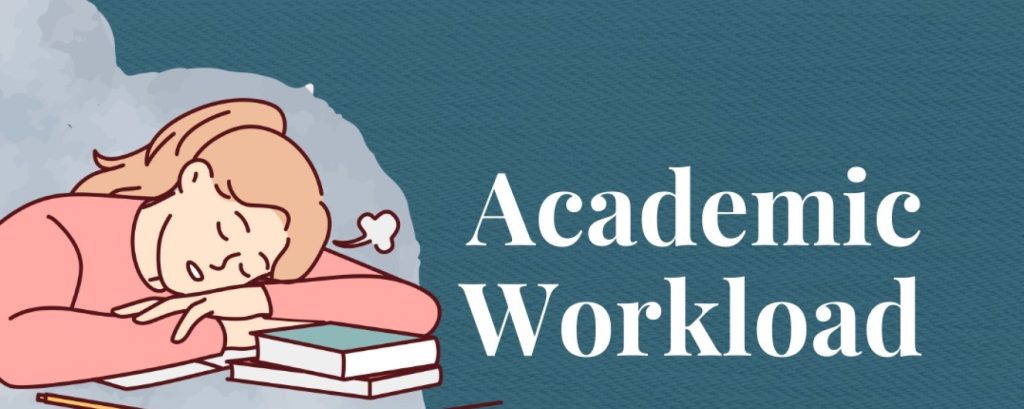
The thing is, many Filipinos see education as THE way out of poverty. This is why, in some remote, far-flung areas, many students, sometimes together with their parents, risk life and limb just to be able to go to school – crossing rivers, climbing mountains, et cetera. In the cities, while schools are relatively accessible with public transport, some public schools are confronted with a lack of facilities such as armchairs, or classrooms. The less-than-conducive environment for learning is enough to cause academic stress, which could cause anxiety and depression.

Graphics by Argao Psych Team

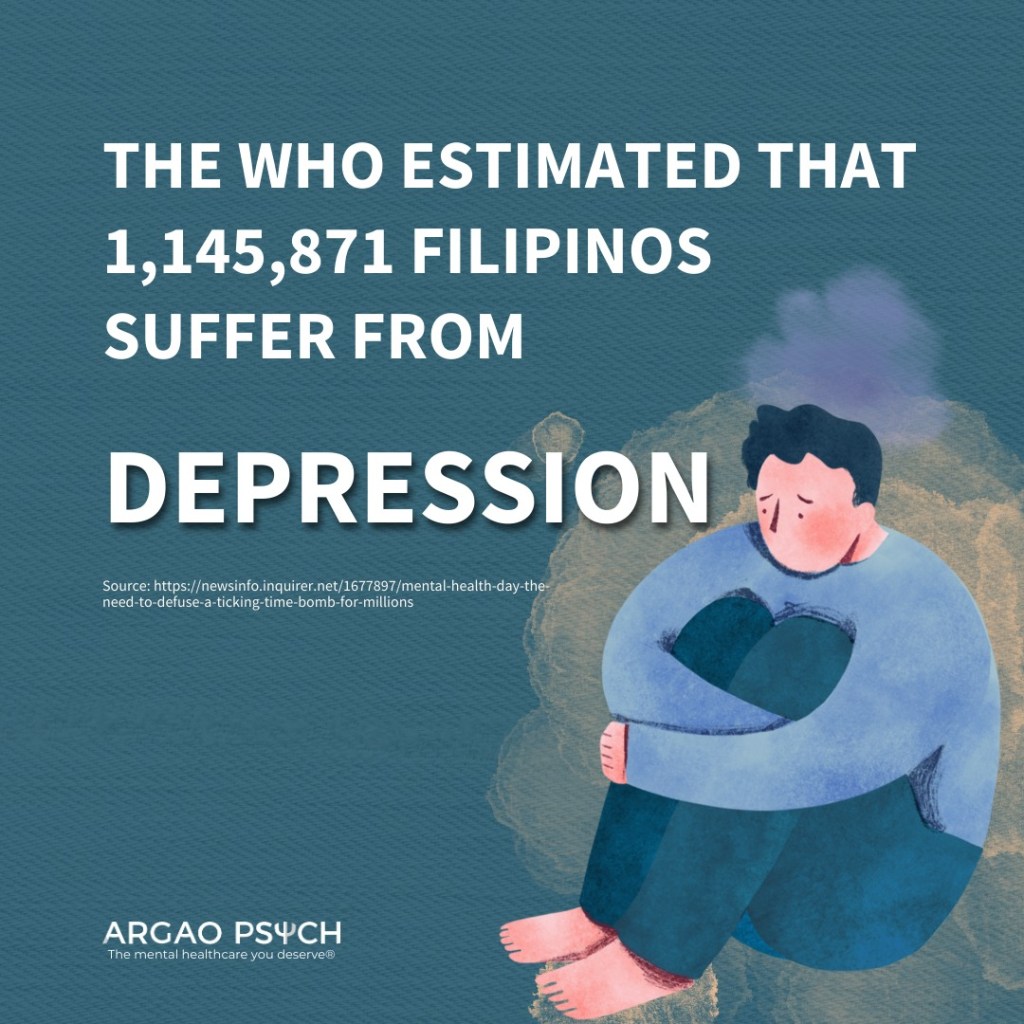
According to the 2015 Global School-based Student Health Survey by the World Health Organization, of Filipino students aged 13-17 surveyed nationwide, 16 percent had attempted suicide for the past 12 months prior to the study, while around 11 percent thought about suicide for the past year. The same survey found out that more than a third of the students got involved in violent physical fights more than once in the past year, while almost half reported being bullied on one or more days within 30 days prior to the survey. A little more than 20 percent reported using alcohol while 80 percent of those who reported using drugs began their drug use before 14 years old. Note that these data reflect pre-pandemic situations. While some problems like physical bullying, violent school fights, drug use, and alcohol use among students may have decreased because of home confinement, some problems were further exacerbated by the lockdown.
Mental health struggles of students during the pandemic
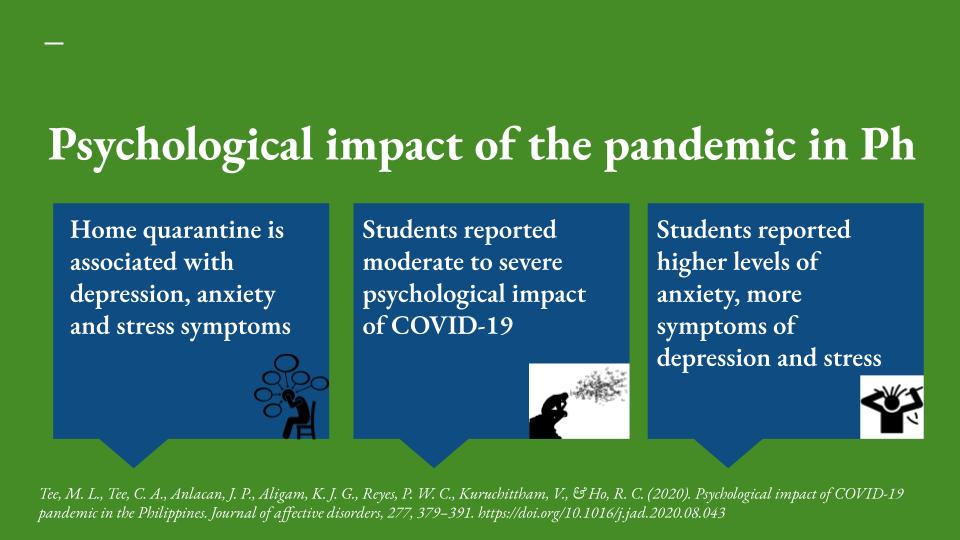
Various studies have lent insight into the impact of the pandemic on the mental health and well-being of students. A study by Tee et al. (2020) found that home quarantine is associated with symptoms of depression, anxiety, and stress. Students also reported higher levels of anxiety and more symptoms of stress and depression compared to other participants in the study (Tee et al., 2020).
Malolos et al., (2021) cited the following as factors that affected the psychological health of students: disruption of regular routine, decrease in social peer support, home confinement, excessive use of technology, lack of children-centered interventions, and loss of jobs.
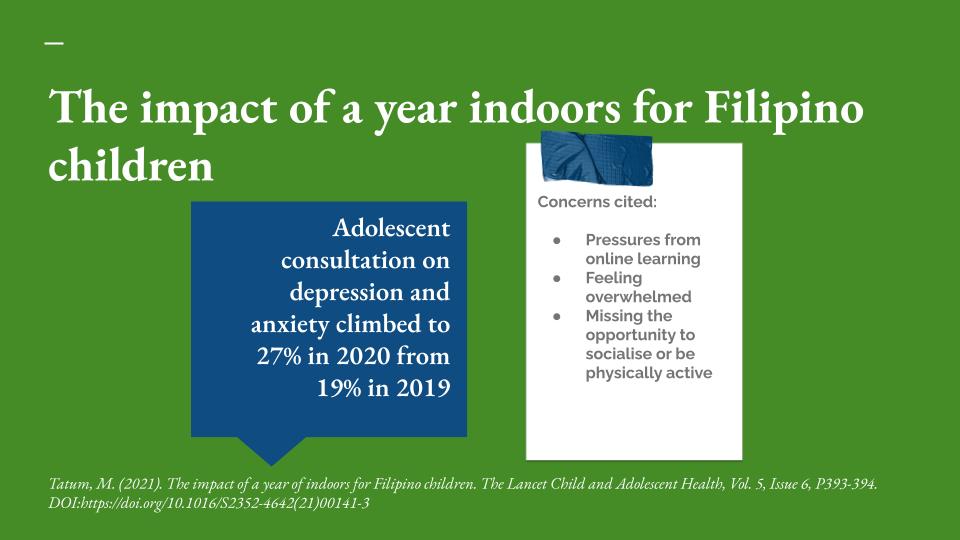
Data from the Philippine General Hospital show that adolescent consultation for depression and anxiety jumped to 27 percent in 2020 compared to 19 percent in 2019 (Tatum, 2021). In these consultations, students cited pressures in online learning, feeling overwhelmed, and missing the opportunity to socialize or be physically active as their main concerns (Tatum, 2021). In the same study, Tatum (2021) reported a 167 percent increase in reported child abuse through the Bantay Bata helpline compared with the previous year. Meanwhile, the Cybercrime Office of the Department of Justice recorded a 260 percent increase in reports of online child sexual abuse and exploitation (Tatum, 2021).
Although hopeful, researchers are not very optimistic about the overall health and development of children who went through the pandemic. It is projected that malnutrition could rise either in the form of obesity or being underweight (Tatum, 2021). These, as a result of the lack of opportunity for physical exercise and the discontinuity of school feeding programs when schools were shut down (Tatum, 2021). Children living in poverty are also expected to increase after the financial hardships brought on by the pandemic (Tatum, 2021). The impact of prolonged indoor confinement and limited peer interaction on the development of children is still unclear (Tatum, 2021). And as we wait and see, Filipino students have been back to school since last year after one of the longest lockdowns in the world.
Post-pandemic adjustment challenges
A study by Tagare (2023) uncovered teacher observations on students when schools reopened last year. Students were noticeably demotivated to attend classes and teachers believe that this could be because of the relentless adjustments (Tagare, 2023). More students were also observed to misbehave, talk back to teachers more often, sleep during lectures, and became more hostile and disruptive in class (Tagare, 2023). The study cites that this could be because of the different discipline strategies during online classes where misbehaving students could not be sent to the school counselor or the principal’s office for proper guidance (Tagare, 2023). Poorer academic performance has also been noticed, along with the constant anxiety over a surge in cases (Tagare, 2023).
It seems that there is no end in sight adjusting post-pandemic for students. Most participating students during last weekend’s webinar said they were “surviving” when asked where they are in the mental health continuum. Individuals in this state experience worry, nervousness, irritable mood, sadness, trouble sleeping, distractability, and withdrawal. This is concerning since research shows that mental health impacts academic performance, and a healthier mind is crucial to better learning and pro-social behavior. Their best chance at achieving this requires a holistic approach involving parents, educators, school administrators, and their peers.

Where are you in this continuum at the moment?
Strategies
The recent health crisis made parenting, teaching, and managing educational institutions more challenging. This can be eased with early detection of possible mental health issues among students. Here are the signs and symptoms to watch out for:
- Mood swings
- Sudden change in weight and personal hygiene
- Unusual behavior
- Problems in thinking
- Frequent tardiness or absenteeism
- Not submitting homework
- Poor grades
- Quitting sports or extracurricular activities
- Spending a lot of time alone
- Substance use
It is important for parental support to include the following strategies to promote the mental health of students:
- Build a trusting relationship with your child. Just because they are younger, adults tend to minimize or dismiss the concerns of children as trivial. This diminishes the quality of the relationship between parent and child. It would be helpful for parents to strive to be calm and pleasant when interacting with their children. Avoid reacting with anger or indifference because this would discourage the child from openly expressing themselves.
- Reinforce self-acceptance and self-esteem. One way to do this is by recognizing and praising the efforts or pro-social behavior of your child. For example, instead of praising them because they are “being cute,” notice their politeness or their smile. In the same way, instead of praising them for being “smart,” recognize their diligence and study habits.
- Model good behavior and make sure to walk the talk. This also builds trust. If you praise your child for their hard work and politeness, ensure that you are also a model of diligence and pro-social behavior.
- Encourage independence. Guidance is certainly beneficial, but it is helpful for children to learn the value of perseverance and resourcefulness. One of the most opportune times for children to learn this is when working on their school assignments. So instead of giving them the answers, teach them how to figure out a problem.
- Discipline. Set limits and boundaries such as bedtime and meal times. This would also ensure that children get enough sleep and nutrition. Time for study, play, social media, quality time with parents, and household chores may also be set to teach children time management and responsibility.


The strategies above can be modified and transposed to the classroom setting and may apply to educators as well. For teachers, however, it is of primary importance to provide a safe and supportive environment for learning, characterized by patience, understanding, and encouragement. For students experiencing behavioral problems, school referral systems should be in place for appropriate professional interventions. This is where the support of school administrators becomes integral. This support can be in the form of providing regular and up-to-date training for the professional development of educators in managing their classrooms. Program development and school policy-making should also enable an inclusive environment that allows children to socialize, provides opportunities for physical activity, and protects students who speak up against abuse.
The role of students themselves should not be discounted because, with proper guidance, they can form an important peer support system. Classmates and friends can promote each others’ mental well-being by talking about their shared experiences and offering understanding and support.
Last, but certainly not least, do not hesitate to seek help from mental health professionals.
Conclusion
Children are a vulnerable group, much more so if they belong to poor households. In the Philippines, there are around 25 million children living in poverty. To many, the way out of poverty is education – a basic right supposedly. However, this remains a steep uphill journey for many learners who are underprivileged or those with special needs. The challenging journey to obtaining an education has been compounded by the circumstances brought on by the pandemic. Two years into school reopening, adjustment challenges that affect student mental health remain. It is our hope that raising awareness will help us better understand ourselves and our learners so we can respond more effectively and overcome the challenges of another academic year.
References:
Tagare, Ruben Jr. (2023). Back to in-person classes in the Philippine basic education: threading the opportunities and limitations in the teaching of Physical Education. Retos: Nuevas Tendencias en Educación Física, Deporte y Recreación. 47. 986-993. 10.47197/retos.v47.95921.
Schleicher, Andreas (2018). PISA 2018 Insights and Interpretation. Retrieved from: https://www.oecd.org/pisa/PISA%202018%20Insights%20and%20Interpretations%20FINAL%20PDF.pdf
Tatum, M. (2021). The impact of a year of indoors for Filipino children. The Lancet Child and Adolescent Health, Vol. 5, Issue 6, P393-394. DOI:https://doi.org/10.1016/S2352-4642(21)00141-3
Tee, M. L., Tee, C. A., Anlacan, J. P., Aligam, K. J. G., Reyes, P. W. C., Kuruchittham, V., & Ho, R. C. (2020). Psychological impact of COVID-19 pandemic in the Philippines. Journal of affective disorders, 277, 379–391. https://doi.org/10.1016/j.jad.2020.08.043
World Health Organization. (2015). Global school-based student survey: Philippines 2015 fact sheet. Retrieved from https://cdn.who.int/media/docs/default-source/ncds/ncd-surveillance/data-reporting/philippines/gshs/pih2015-fact-sheet.pdf?sfvrsn=6ab6b19c_2
About the Authors

Tricia Zafra, RPsy is the Relationships Editor of Subselfie.com. She is a clinical psychologist and a university lecturer.
Prior to becoming a psychologist, she had a 12-year career as a broadcast journalist, working as News Correspondent and Anchor for RPN 9 and GMA 7, and as an Executive Producer for CNN Philippines. She transitioned into advocacy communications for Doctors Without Borders – HongKong, and served in the government as the Chief of Public Relations and Information Division of the Philippine Space Agency.
She underwent clinical training at Argao Psych as an intern.
Her volunteer work includes providing peer support to journalists and media workers in distress. She also co-authored a mental health handbook for journalists and facilitated mental health sessions.
She’s a vegetarian, painter, licensed scuba diver, and a fur parent.
BA Broadcast Communication 2007 (cum laude), UP Diliman
MA Psychology 2020, UP Diliman
Topnotcher (Rank 2), 2023 Psychologists Licensure Examination

Kathleen Gonzales, RPm is a Registered Psychometrician and is currently a Mental Health Clinician at Argao Psych.
She completed her Bachelor’s degree in Applied Psychology from the University of the Philippines – Diliman Extension Program, and is completing her Master of Science in Psychology at the Holy Angel University.
Kathleen’s previous work experience includes the academe where she taught psychology courses. She had also served in the government, providing administrative support to a local community college, and fulfilled the role of a psychometrician for the human resource and management office.




Leave a comment