
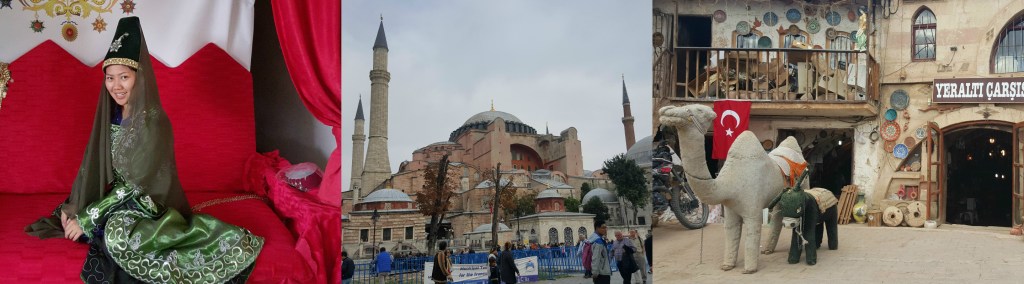
Days ago, a suicide bomb blast killed 10 people at the heart of Istanbul. The attack targeted Sultahnamet Square, an old district flocked by thousands of tourists everyday. It was the latest in a series of bombings that rocked Turkey in recent months.
I stayed in Turkey for 15 days last October to attend the United Nations Convention to Combat Desertification. Upon hearing the news, I sent a message to my Turkish friends. One of the locals I met there work in the Grand Bazaar which was minutes away from the bombings. Apo Borak said this would have an effect on tourism and security; the livelihood of the locals would likely suffer the most. “It will surely affect now, but hopefully, things will get better by summer,” he said.
My Filipino friends in Istanbul were also safe from harm. But they fear that the threat of security will affect their jobs overseas. “There will be rigorous inspection in every corner of Istanbul. Some of my fellow Filipino workers here have no legal documents to present and will likely result [in] deportation,” English teacher Doris Brillantes said. There are 5,500 Filipinos in Turkey as of 2008, according to estimates by the Commission on Filipinos Overseas and the Philippine Embassy in Ankara.
The terror attacks may be daunting but it didn’t stop me from experiencing the cultural and historical treasures of Turkey, a country that has been a melting pot of civilizations for centuries.
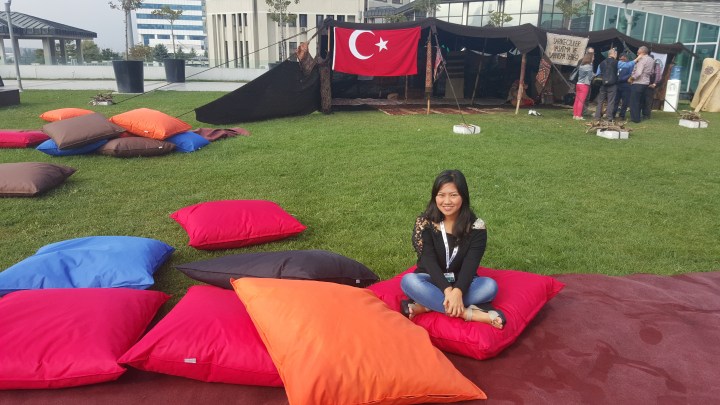
ISTANBUL: Where Continents Merge
Istanbul is now the the fifth most visited city in the world, with 12.56 million projected visitors, according to the annual MasterCard Global Destinations Cities Index. This majestic city lies in the heart of Turkey and shares the culture of two continents: Europe and Asia.

Despite the unrest and terrorism threats, life goes on for the Turkish people. This beautiful country has survived wars, insurgencies, hunger and natural calamities, dating to the Ottoman and Anatolian empires during the 13th century. But the places of worship and culture still stand here; its people have never been more eager to protect their heritage.

1. The Blue Mosque
The Blue Mosque, also known as the Sultan Ahmed Mosque, is a historic structure built from 1609 to 1616, during the rule of Ahmed I. Its Külliye contains the tomb of the founder, a madrasah and a hospice. Named for its popular blue tiles, it has one main dome, six minarets, and eight secondary domes. It was built to reassert the authority of the Ottoman Turks in what was once the city of Constantinople.
My friend and I spent hours interviewing an Imam about Islam. Here I found out how Islam is strongly connected to nature, and how this has always been the inspiration for the architecture of their mosques. Unlike Catholicism which features the faces and figures of their saints, Islamic art is inspired by nature and a faceless, omniscient, and omnipresent Allah.


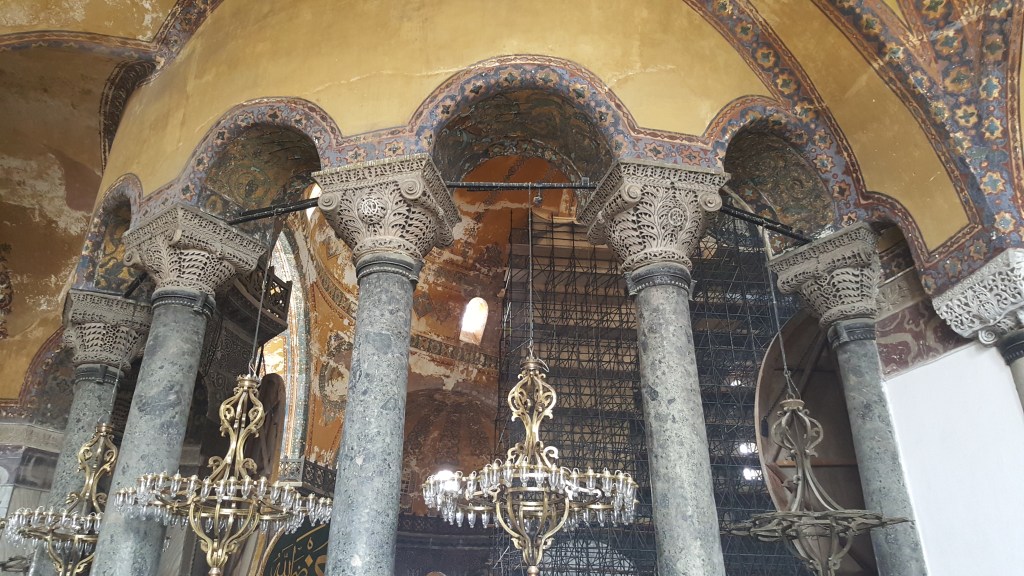
2. Hagia Sophia (Ayasofya)
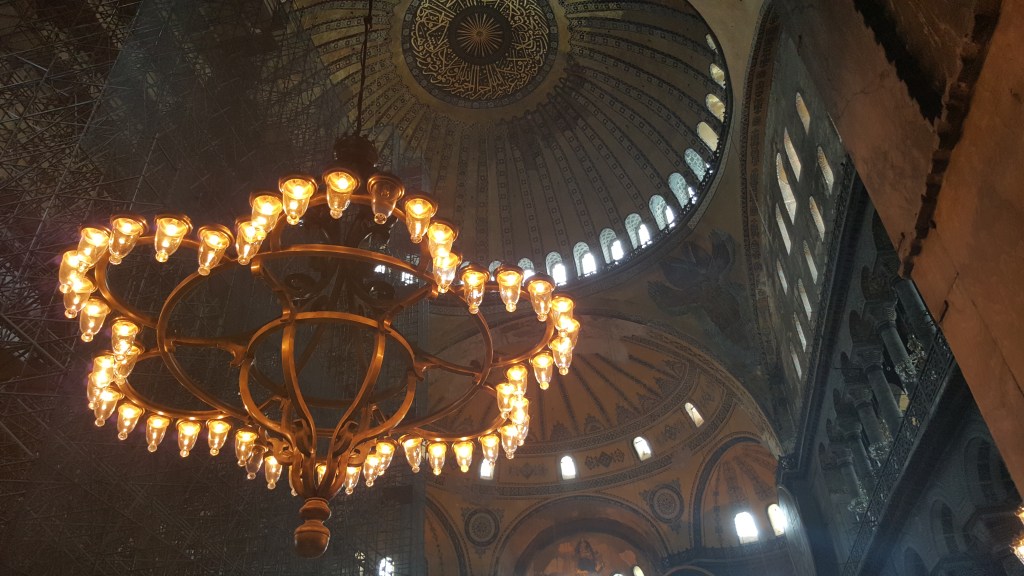
Its name translates literally to Holy Wisdom. This structure is a culmination of two religions: Christianity and Islam. It was a former Christian basilica (537 A.D.) which became a mosque when Constantinople was conquered by the Ottoman Turks in 1453.
Dubbed as one of the Seven Wonders of the Ancient World, Ayasofya is one of the largest cathedrals in the world exhibiting the Byzantine architecture. Walking in the halls felt like traveling through a time of war, a period when people fought hard for their beliefs and identity. The Christian and Islamic markings may have faded from the walls, but the story still remains.


3. Grand Bazaar (Büyük Çarşı)
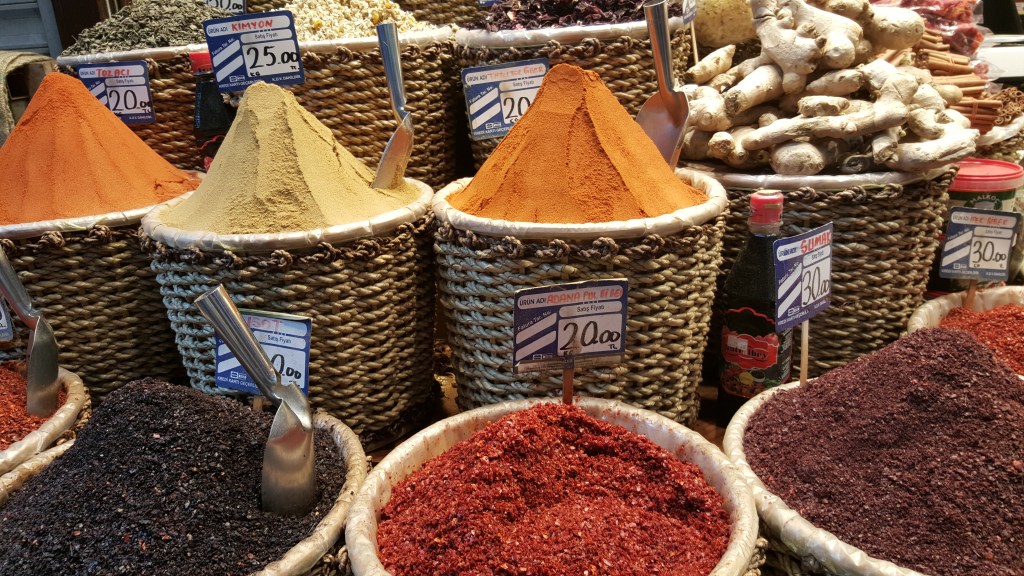
This is heaven for tourists and shoppers in Istanbul. It is one of the largest and oldest covered markets in the world with over sixty covered streets and 3,000 shops. Thousands of visitors flock the market everyday.
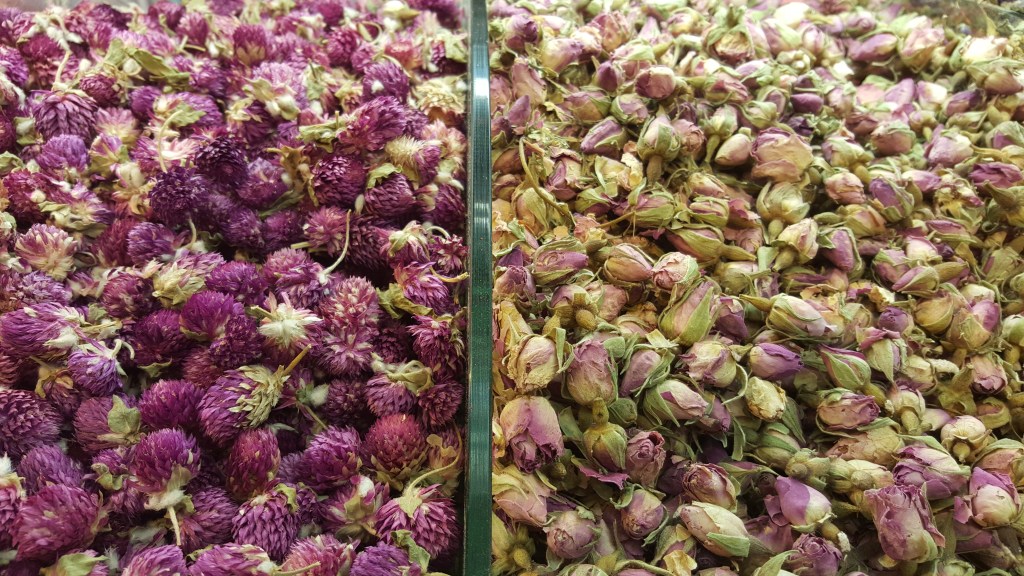
It is so big you can easily get lost inside the maze of shops selling antiques, art, spices and textiles such as carpets, rugs and clothes. I also got to visit the Spice Bazaar (Mısır Çarşısı), also known as the Egyptian Bazaar. The building got its name because it was built with the revenues from the Ottoman eyalet of Egypt in 1660.
4. Turkish Bath
If you want to feel pampered like a princess, try the Turkish Bath. Lying on my stomach naked, I felt like a Roman princess from 1071. The marble bed was warm, the ceilings high, and the architecture surreal.
Being the conservative Filipina that I was, it came quite as a shock when the masseuse started “bathing” me. Her hands were all over my thighs and breasts. After the initial trauma, the Turkish lady told me: “Just relax.” I eased up and emptied my mind. The Turkish massage was nice and invigorating after a day’s shopping in Istanbul.
5. Bosphorus Strait
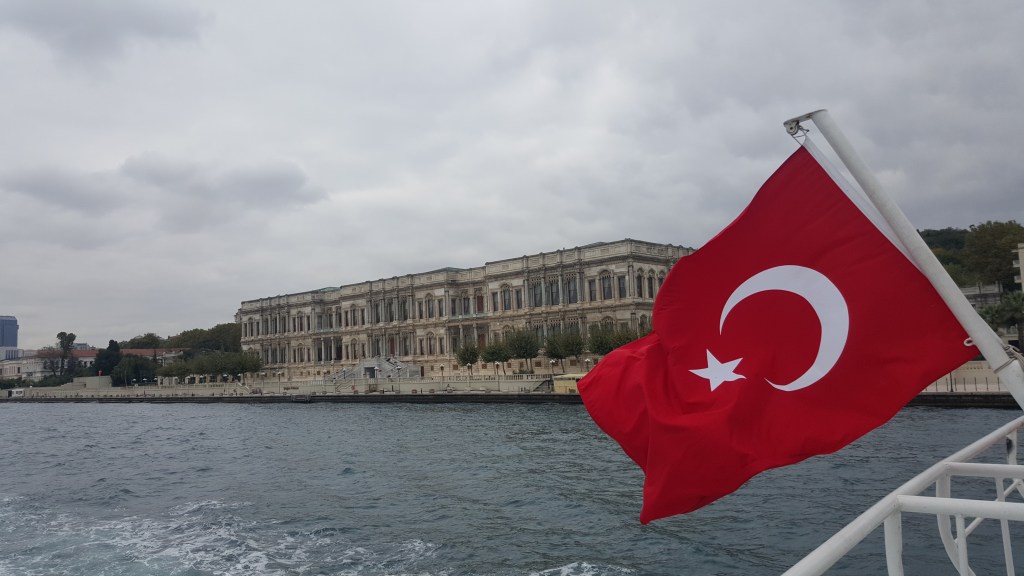
On our last day in Istanbul, I went on the Bosphorus Cruise. It runs 31 kilometers between Europe and Asia, connecting the Black Sea in the north and the Marmara Sea in the south. Two bridges connect two continents: the Boğaziçi Bridge and the Faith Sultan Mehmet Bridge.
It’s magical to think that I could be in two places at once, crossing borders where culture, food, fashion and beliefs differ from one place to another.
6. İstiklâl Caddesi
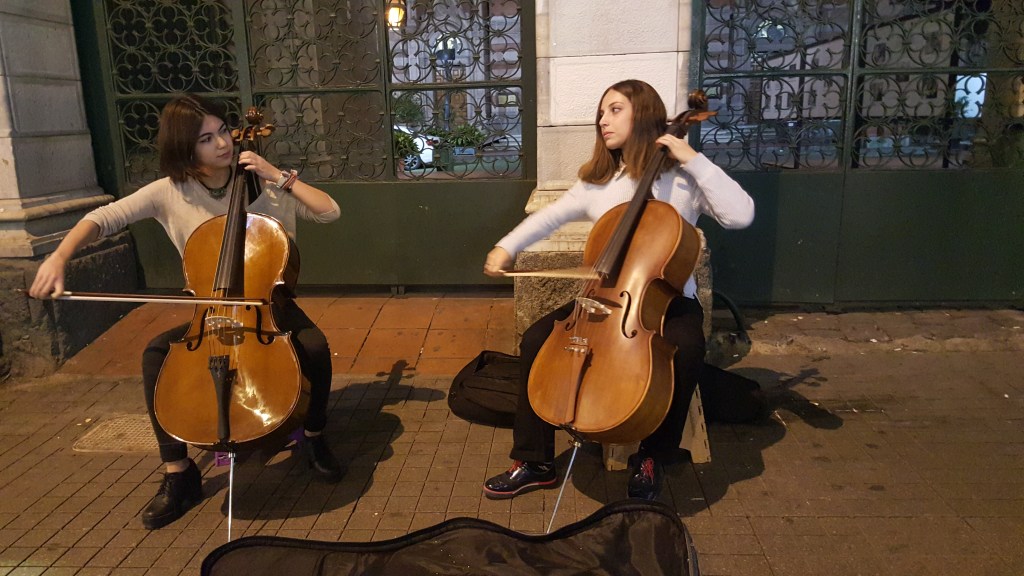
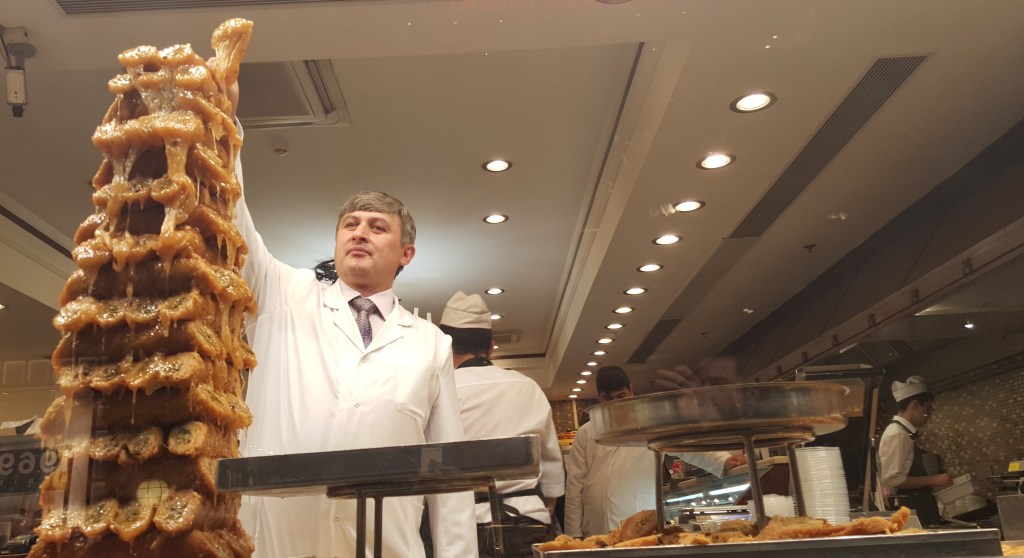
Also known as the Independence Avenue, this place is a popular destination, with three million visitors daily. This has the most youthful vibe in Istanbul. Musicians play their instruments in every alley. Tourists drink beer and share cigarettes with random strangers. The market is teeming with fresh goods like fish, crabs, and fruits. The air is filled with the intoxicating sweetness of nuts, chocolates and Turkish delights.
CAPPADOCIA: Traveling through Time
My feet have been been itching to go to the mystic land of Cappadocia ever since I got my plane ticket. This region dates back to the 6th century when the Ancient Greeks have only been starting to build civilizations. Cappadocia appears in the Book of Acts 2:9. Shortly after the resurrection of Jesus Christ, the biblical account refers to the Cappadocians as a group hearing the Gospel from the Galileans in their own language on the day of Pentecost. Acts 2:5 seems to suggest that the Cappadocians were God-fearing Jews.
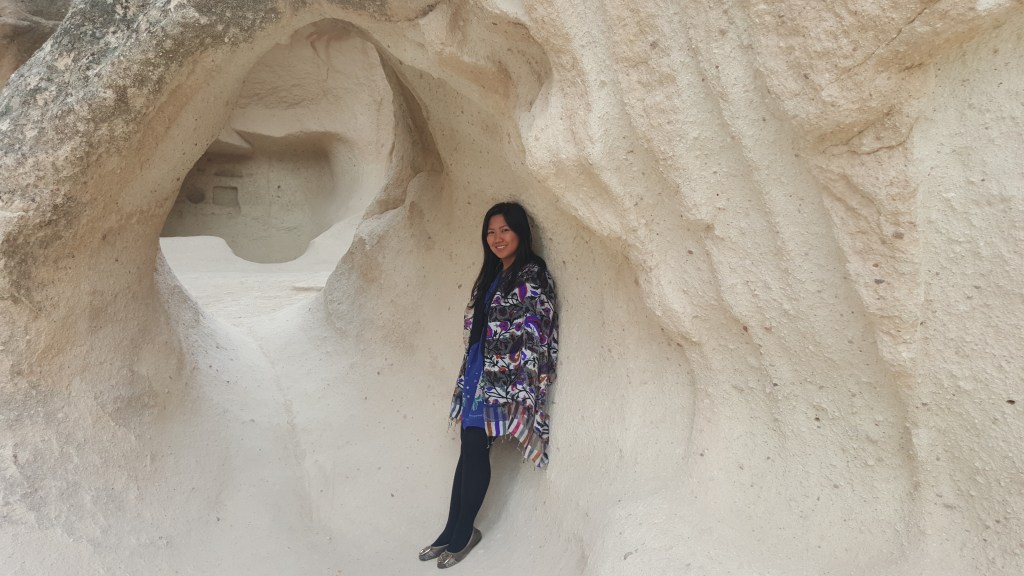
It took me more than three hours to go to Cappadocia from Ankara but it was all worth it. The valley of Cappadocia is surrounded by two volcanoes and the region is covered with limestone and basalt. The gigantic rock formations are formed through constant soil erosion and weathering.

Back in the day, people lived in these rocks, carving windows and doors through the cracks. These structures are called fairy chimneys or hoodoos. Nowadays, the rocks are so soft that the risks of erosions are too high. The trees here are adorned with some enchantments brought by the Evil Eye. It is said to ward off evil spirits lurking in the valley.
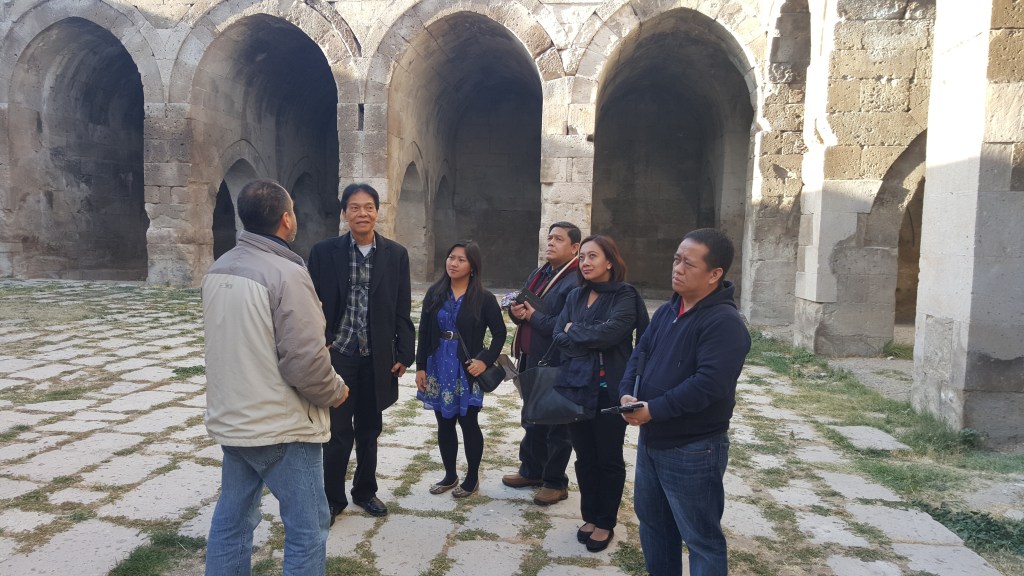
Our first stop in Cappadocia is Caravanserais which means caravan palace. Merchants passing through the Silk Road, crossing borders between Europe and Asia, stayed in these hotels for two to three nights to rest. Because traveling usually took days to months, the shoes of the merchants would be repaired or the poor would be given new shoes. The sick would be treated and animals would be fed and, if needed, horses would be shoed. There was also a Kosk Mescid, a small mosque, in the center of the courtyard.
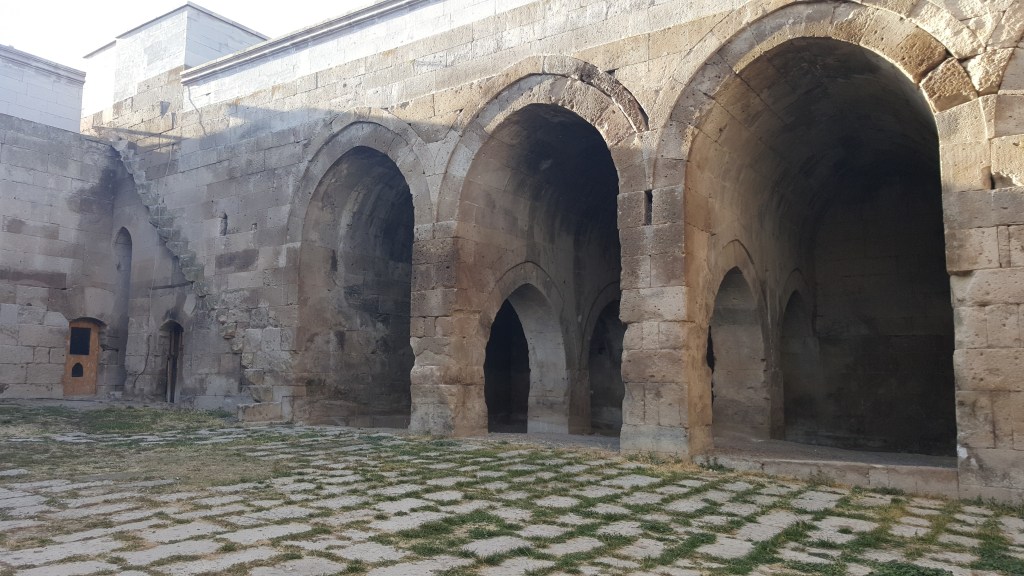
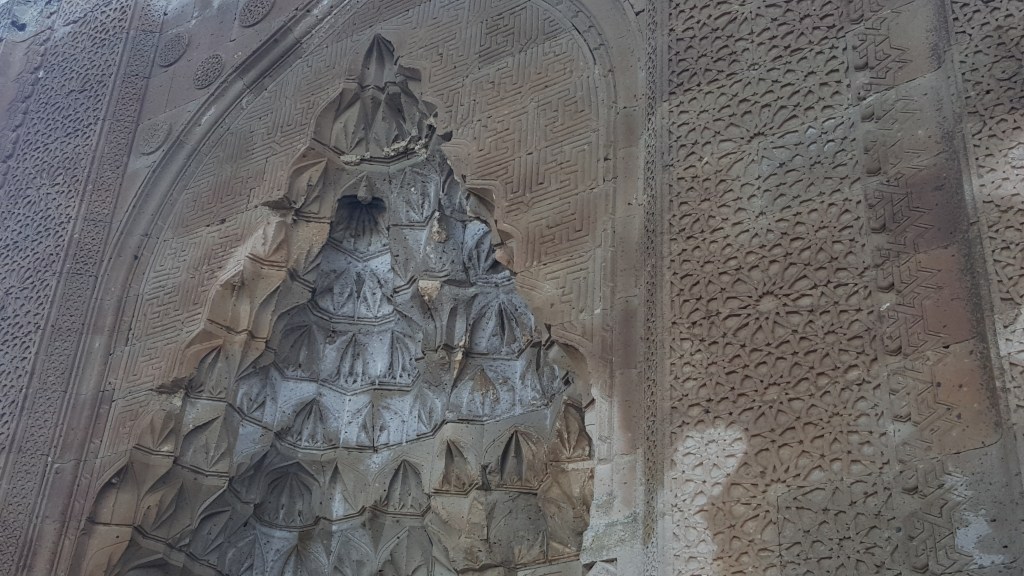
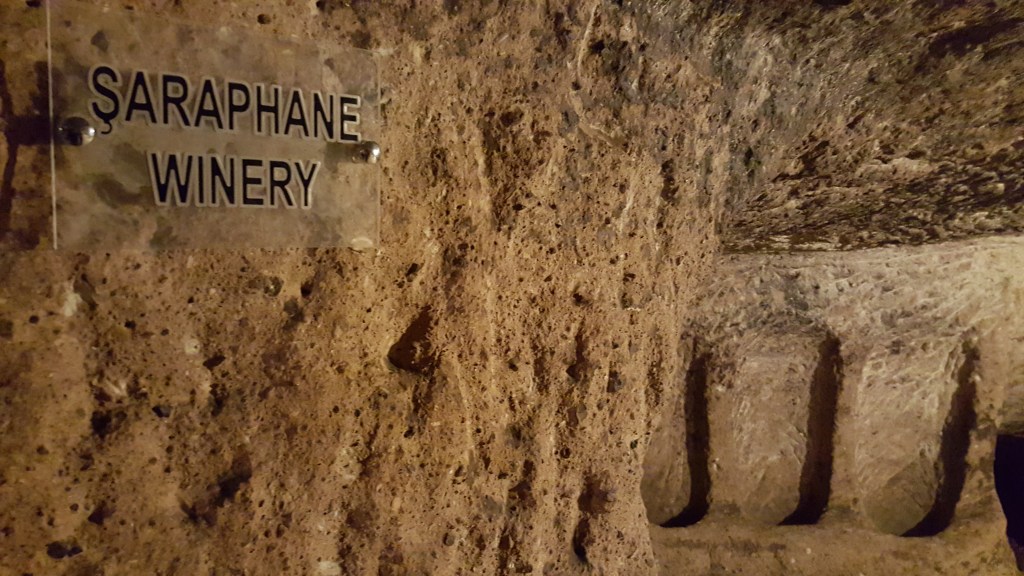
I have visited two World Heritage Sites in Cappadocia: the Goreme Open Air Museum and the Underground City. This place used to house 5,000 people to protect the civilians from Arabs, who steal their food. Only 30 meters of the city have been explored so far. The air is thin 30 meters below the ground, but imagine how intoxicating it must be 50 meters below!



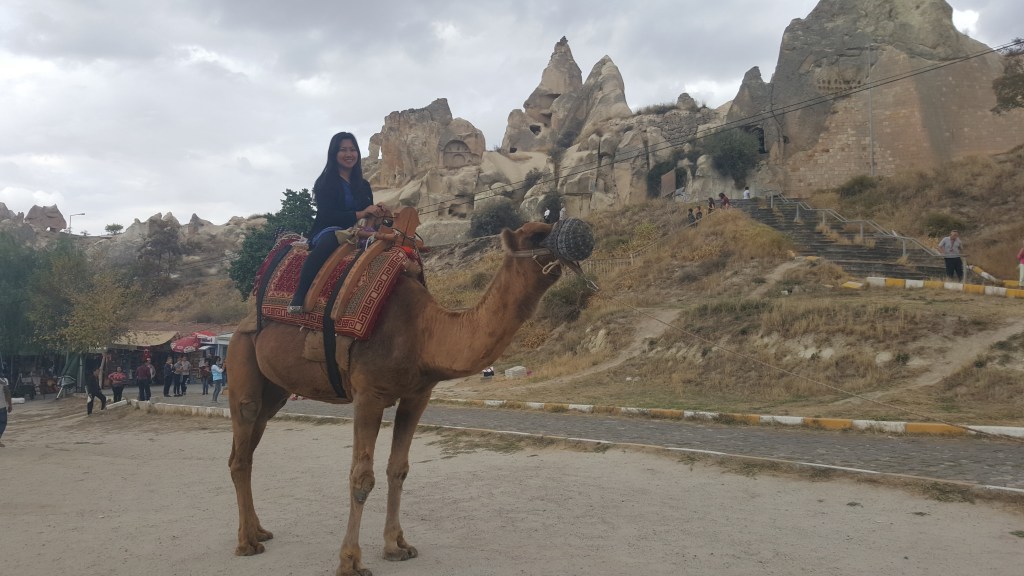
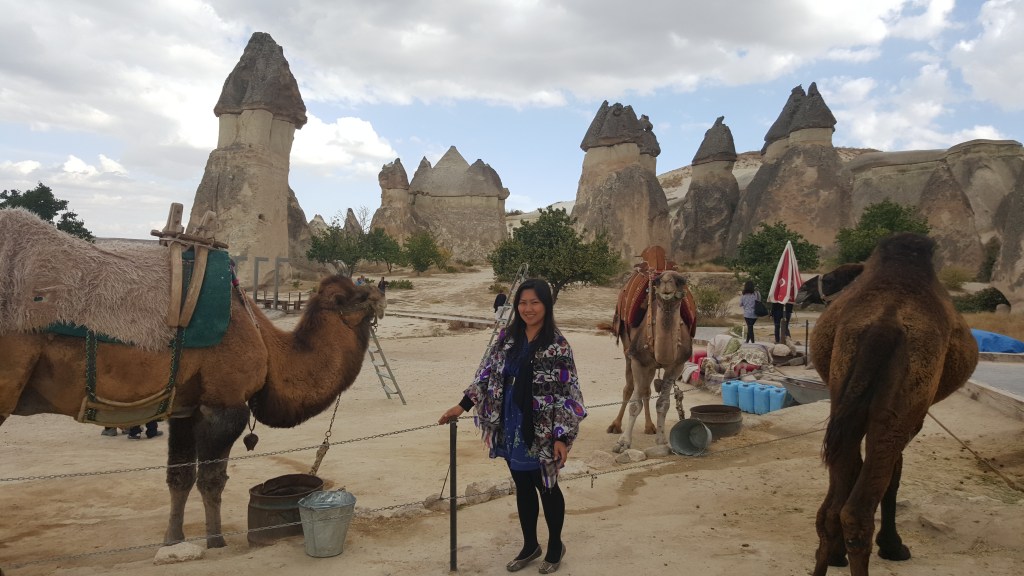
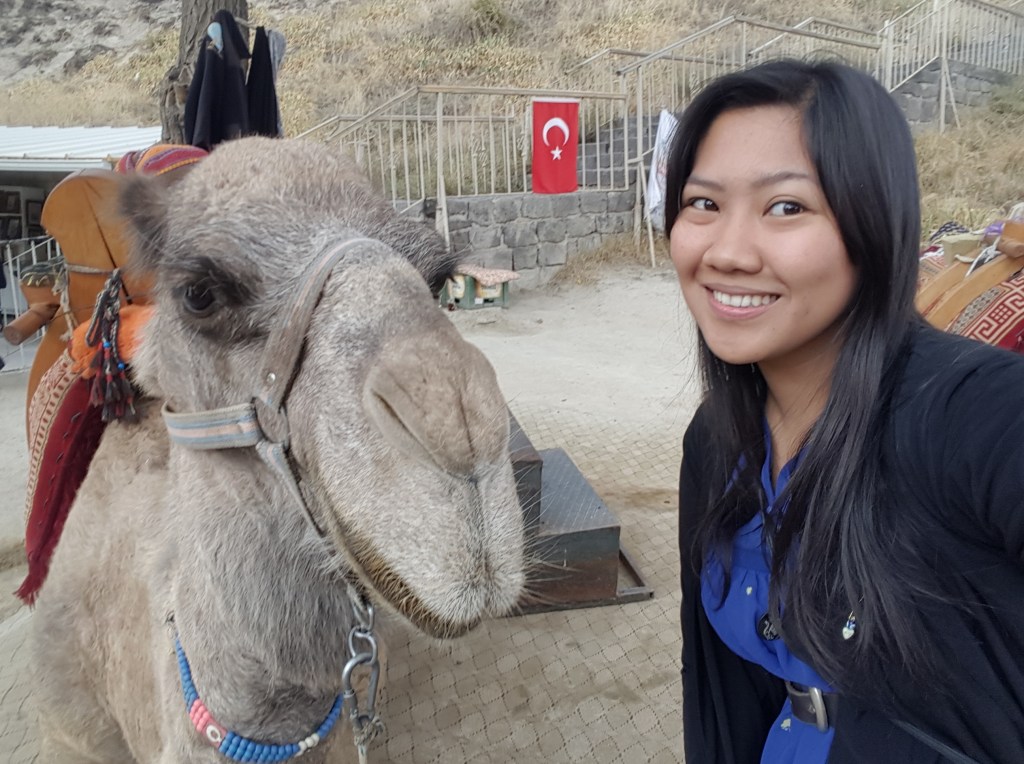
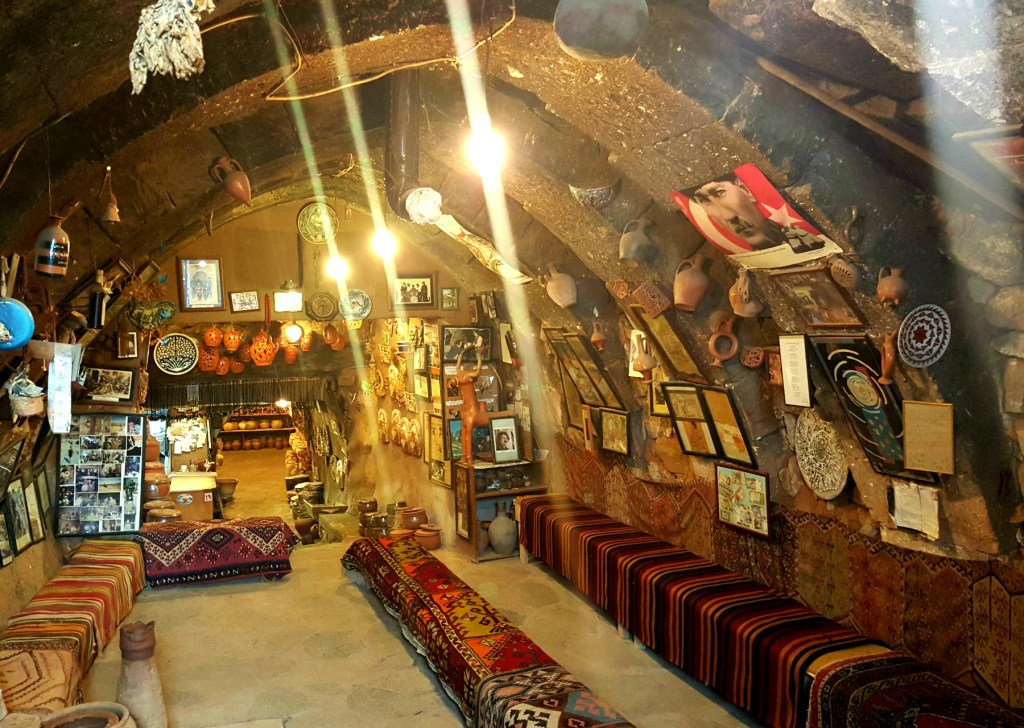
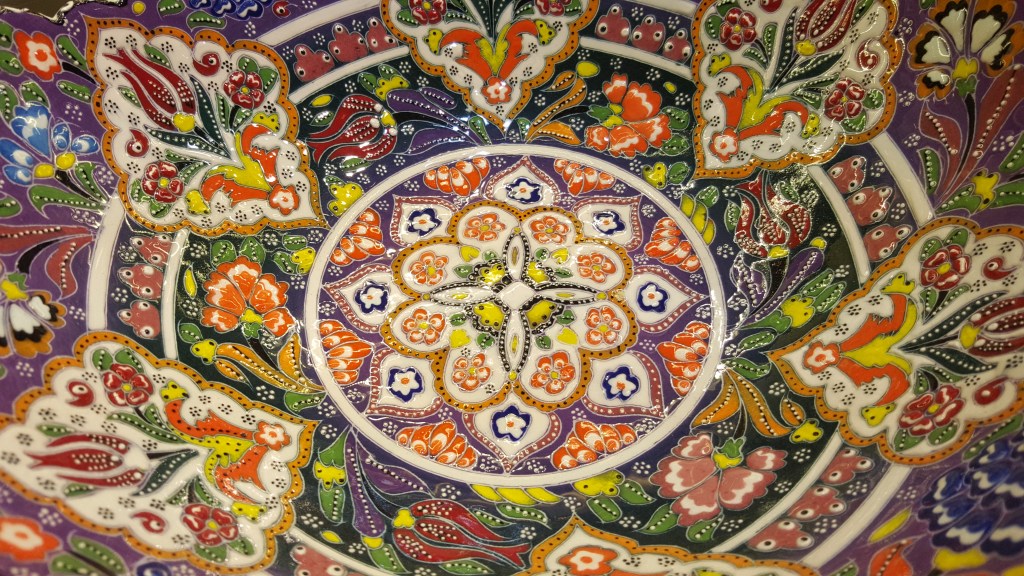
Cappadocia is also home to some of the best potters in the world. It is a skill and tradition passed down from one generation of Turks to another. I had the chance to visit one of the oldest potteries in Cappadocia. The wide array of pots and ceramics displayed here is both inspirational and beautiful. You may never see this intricacy anywhere in the world.
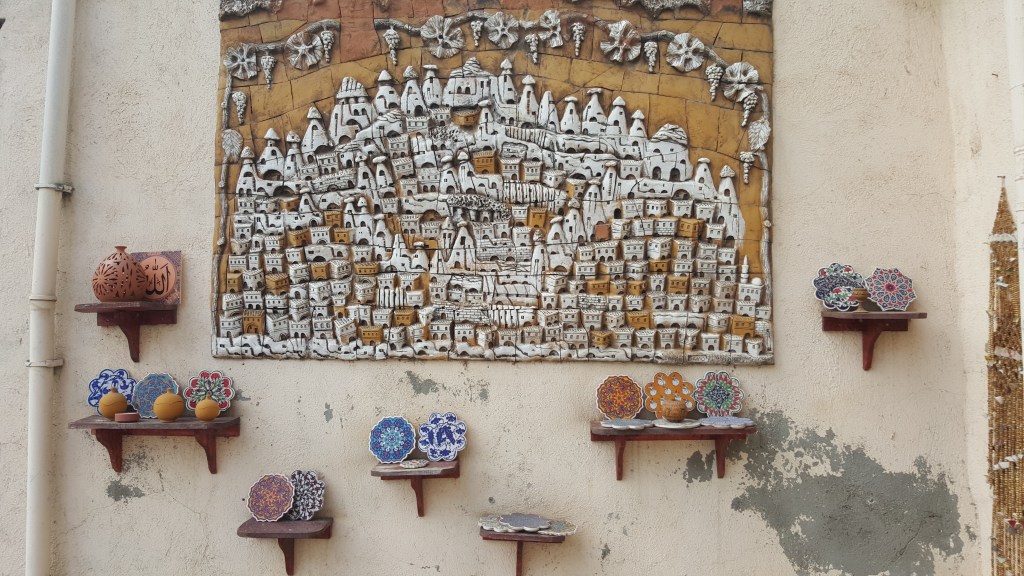
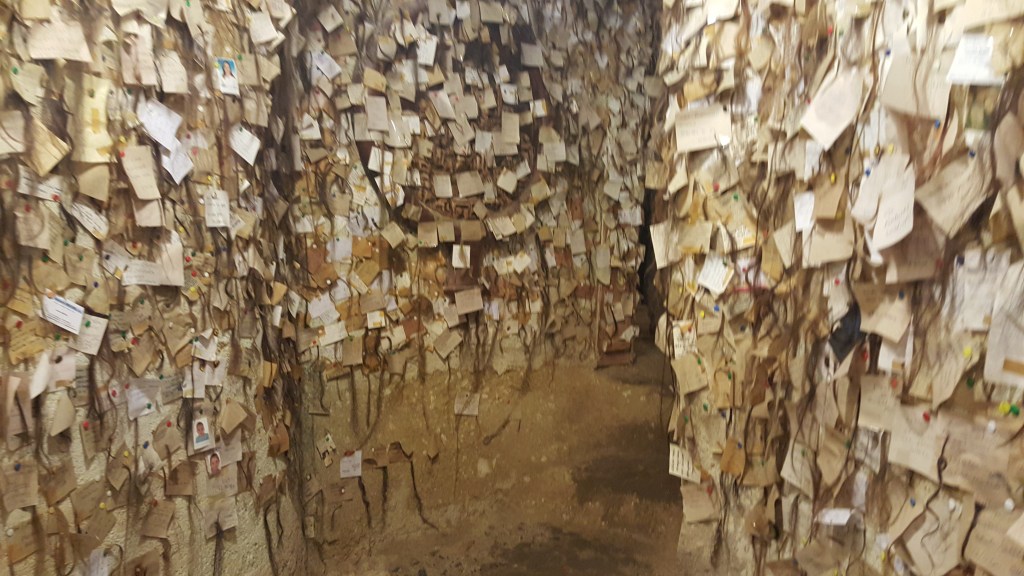
But the tiny cave which holds all these ceramics holds something else, something far more curious — human hair.
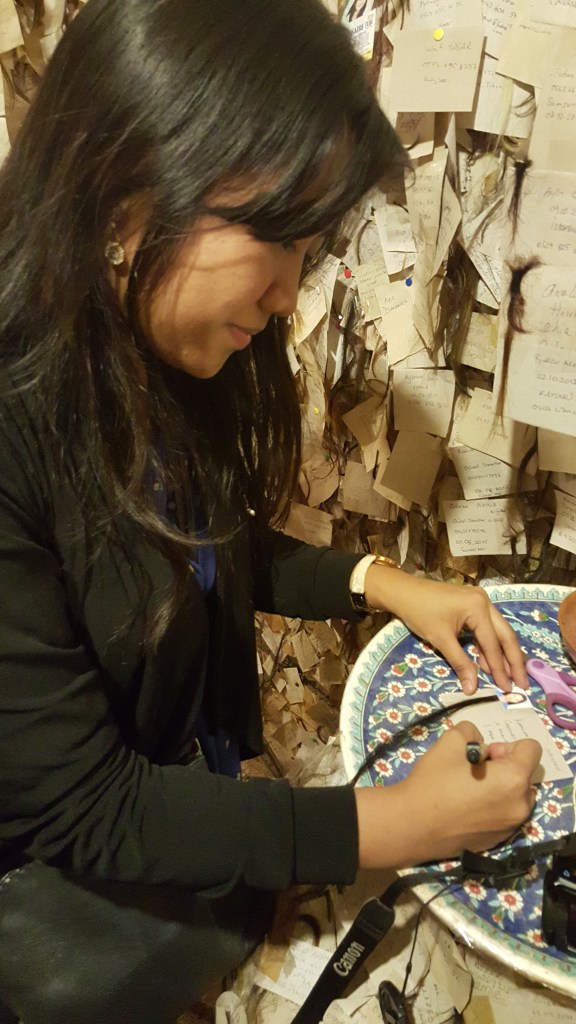
The Avanos Hair Museum possesses over 16,000 locks of hair from women, and my hair is one of them! If this place is creepy for you, the story behind it is a bit romantic. A Turkish potter fell in love with a French woman. But the woman had to leave so the potter asked her to give him a lock of hair and her address to remember her by. Since then, the women who have visited the shop and have heard this love story gave their own locks of hair together with their complete addresses. This tradition has been passed down to the sons and heirs of the potter up to this day.
ANKARA: The Old and the New
Located in Central Anatolia, Ankara is the capital of Turkey and the second largest city behind Istanbul. Its name had many variations throughout the centuries — from Ankyra to Angora. Despite its modernization, Ankara has not lost its old charm.
1. Museum of Anatolian Civilizations
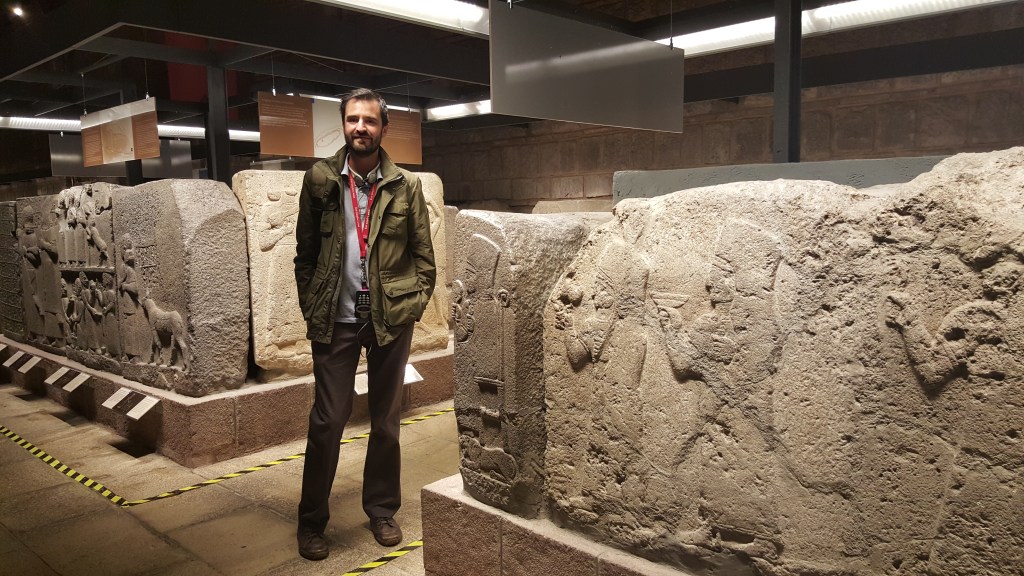
The Museum of Anatolian Civilizations displays archeology exhibits that were once witnesses to the earlier civilizations of Turkey. These start with the Paleolithic era (pre-8000 BC), and continue chronologically:
- Neolithic Age (8000-5500 BC)
- Early Bronze (3000-1950 BC)
- Assyrian trading colonies (1950-1750 BC)
- Hittite Period (1750-1200 BC)
- Phyrgian Period (1200-700 BC)
- Urartian Period (1200-600 BC)
- Classical Period (Greek, Hellenistic, Roman, Byzantine, Seljuq and Ottoman periods)

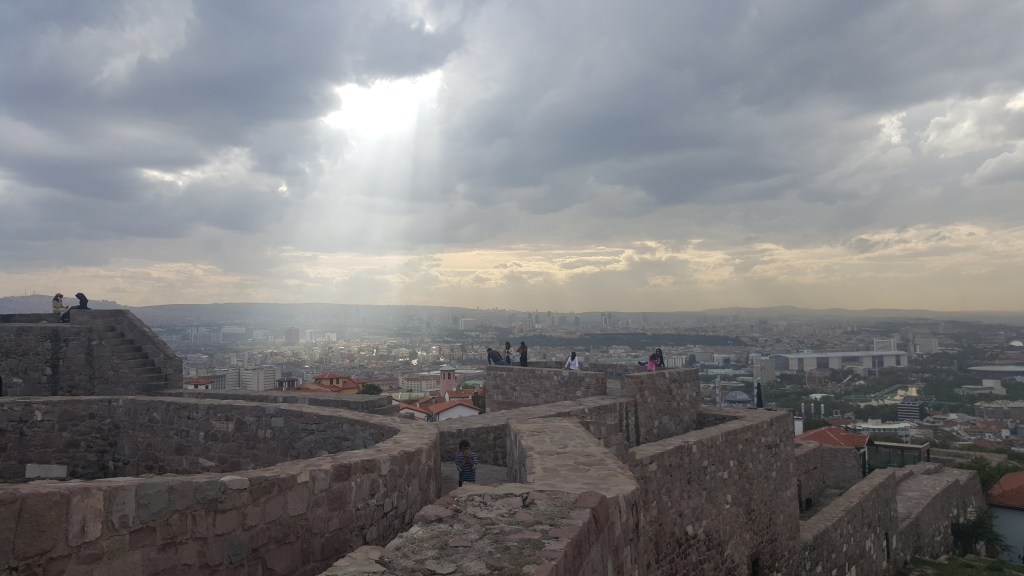
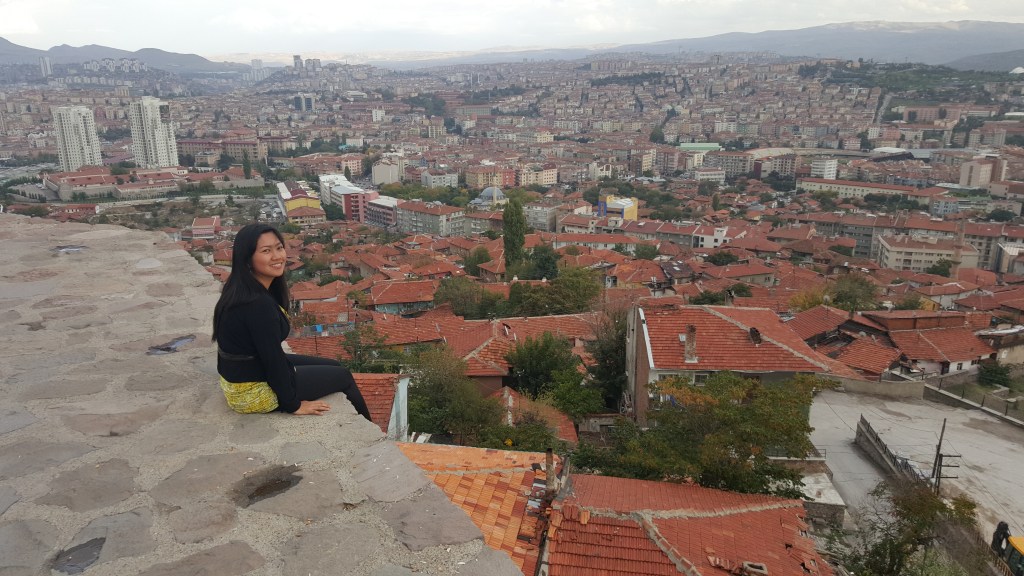
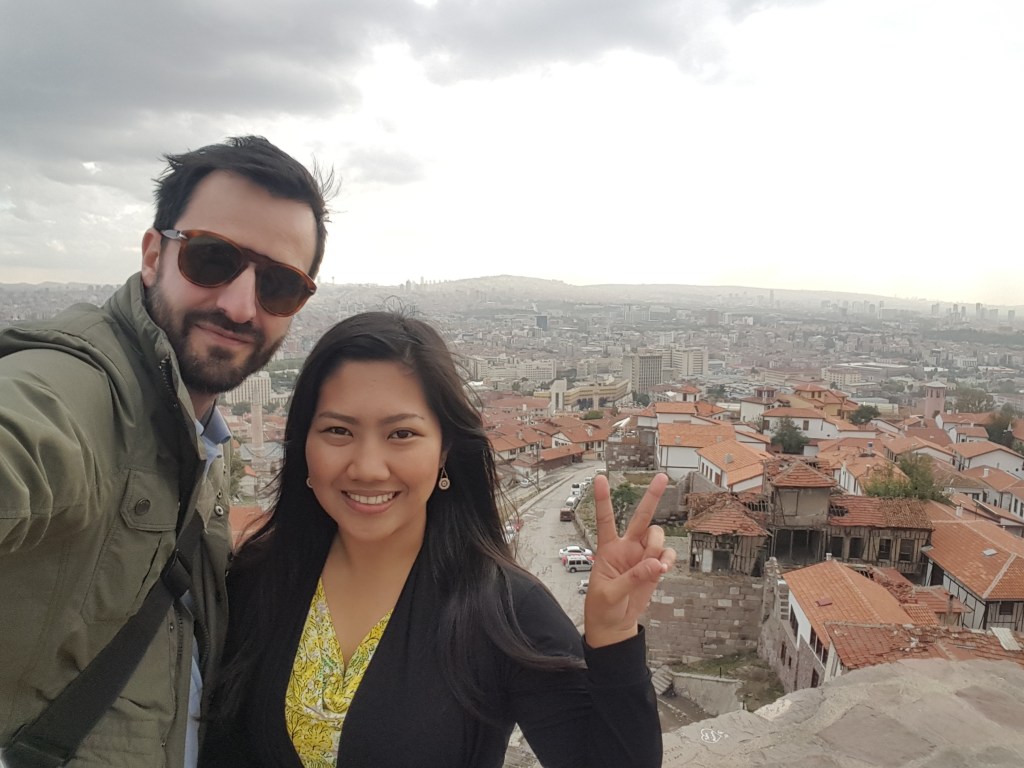
2. Ankara Castle (Ankara Kalesi)
The Ankara Castle is also a must-visit site for tourists. It was previously controlled by the Romans and Byzantines but was captured by the Turks in 1073. The date of its construction is still unknown.
3. Ulus
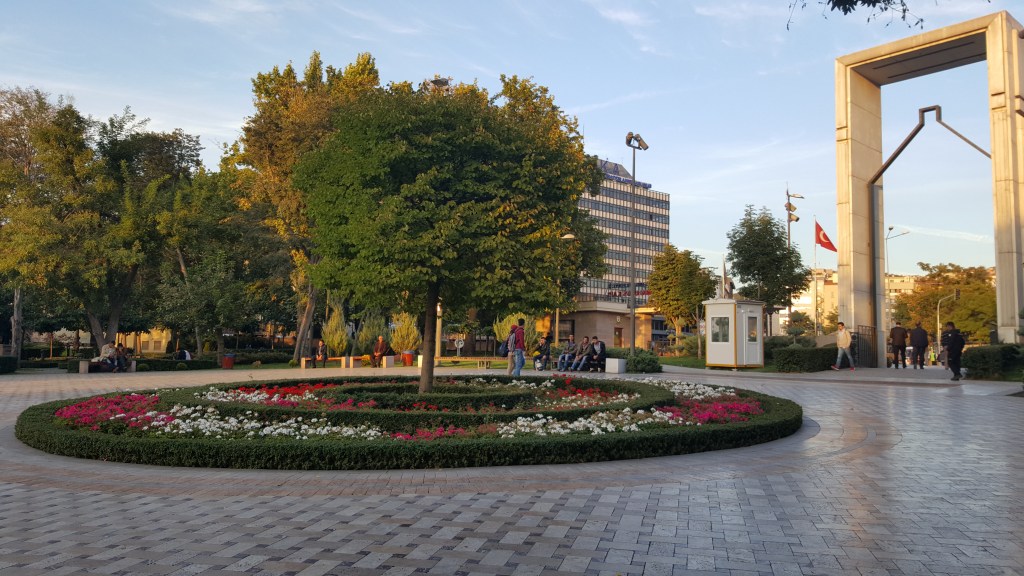
I roamed around Ulus alone, moving uphill into a market filled with antiques, charms, clothes and brassware. This place has the most beautiful parks I’ve ever seen, and the best thing? No entrance fee!
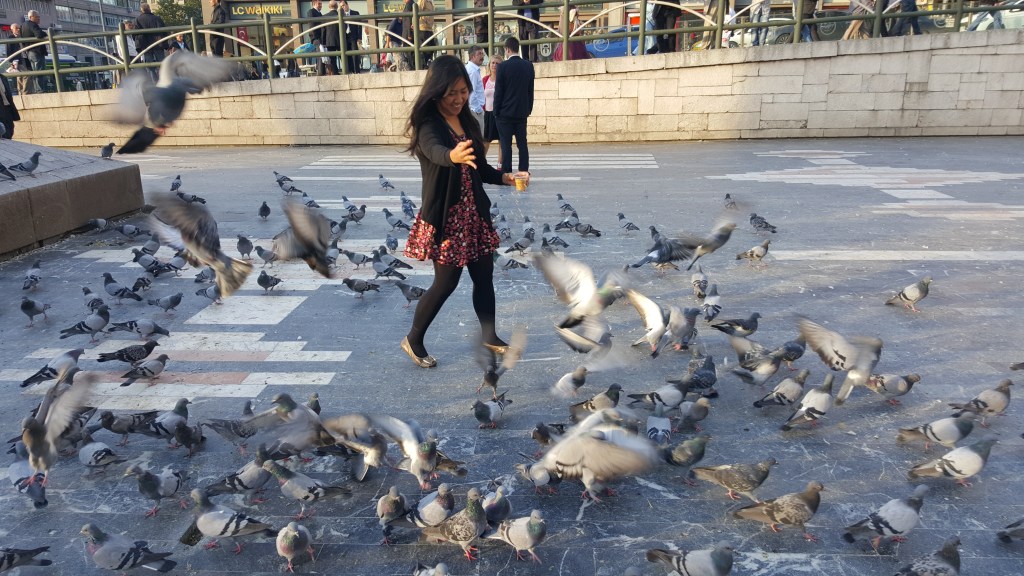
I have visited three places in Turkey but I’ve barely scratched the surface of its beauty. For a country that has endured so much throughout the centuries, I believe the Turks can overcome the modern day terror threats they are facing now.
To those who tried to disrupt the peace: Allah size merhamet olabilir (May Allah have mercy on you).
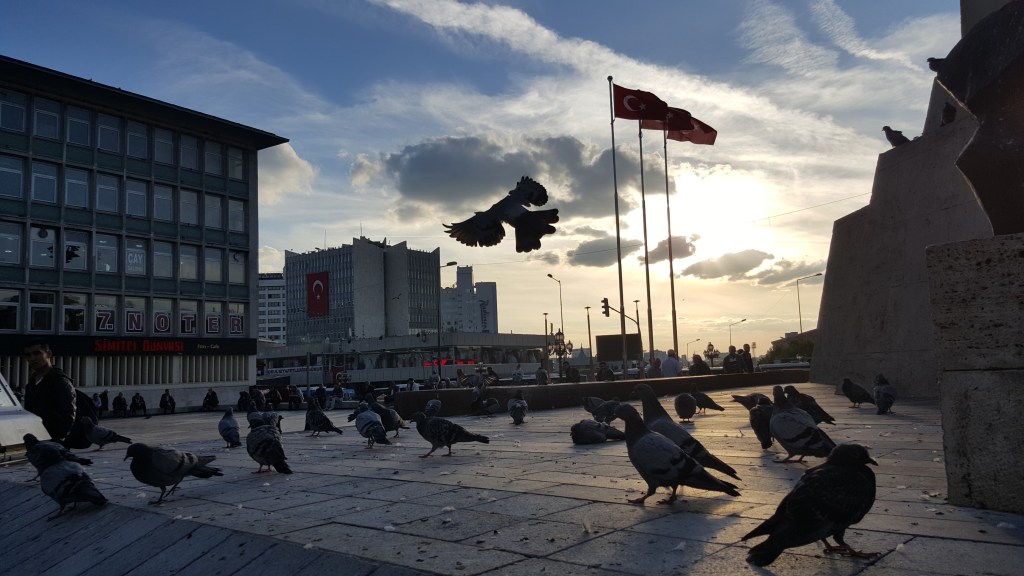
Before the terror attacks in Sultahnamet Square this January, there was an earlier blast in Ankara last October. Coincidentally, on that day, I arrived in Turkey for my 15-day visit…
[Entry 117, The SubSelfie Blog]
My First Day in Turkey: The Ankara Bomb Blasts
Written last October 11, 2015
Everything was perfect on my first day in Ankara, Turkey. I met new friends. The weather is nice. The food is good — until the news broke out.
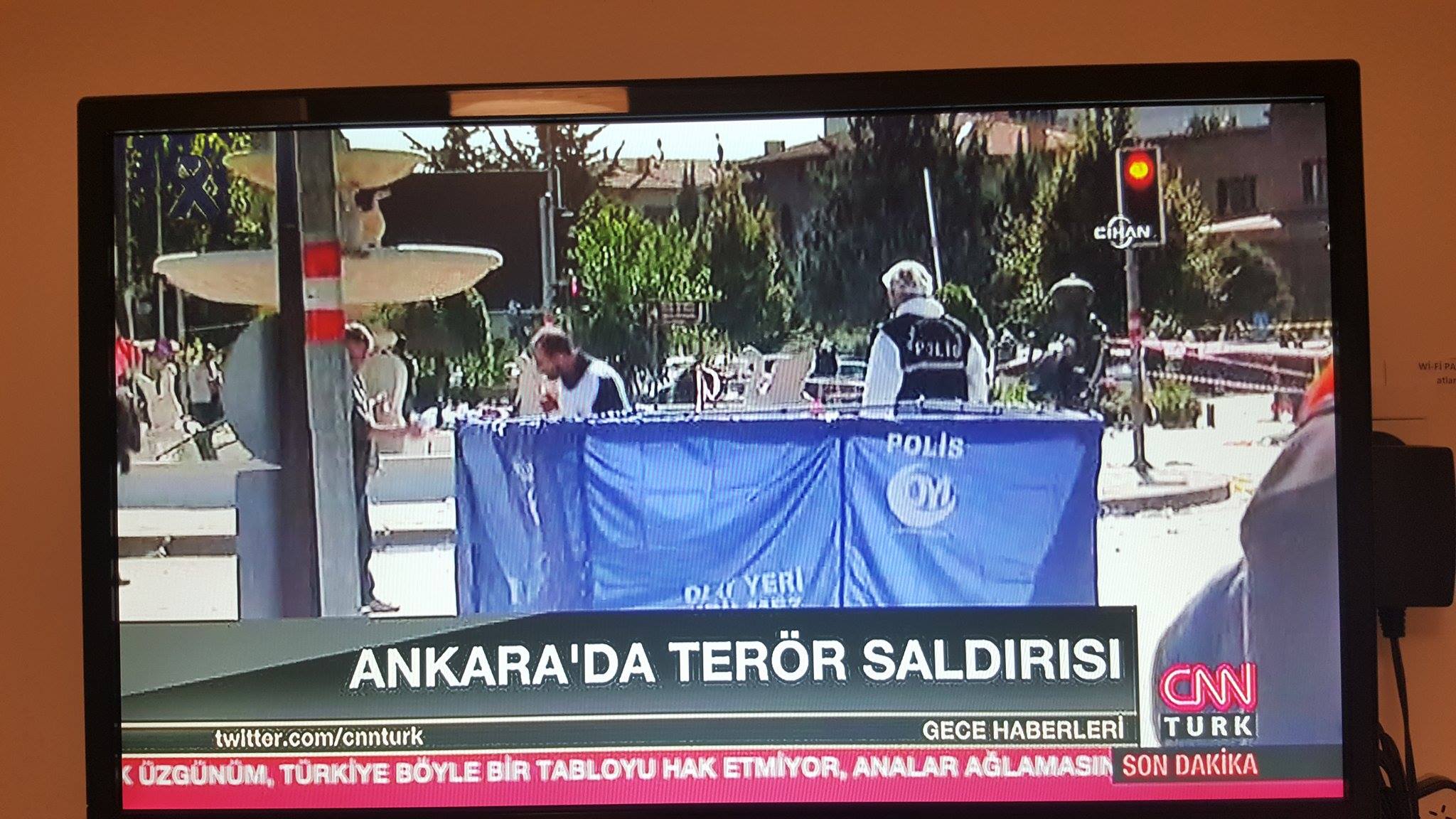
We were having our tea and biscuit break when I learned about the bomb blasts. There was mayhem at the train station in Ankara after an explosion in a peace rally that killed almost a hundred people and several more injured. The rally was demanding an end to the violence between the Kurdish PKK militants and the Turkish government. The pro-Kurdish HDP party was among those attending, and its members were said to be the main target of the bombings.
It might have been suicide bombers according to Prime Minister Ahmet Davutoglu who announced three days of national mourning. President Recep Tayyip Erdogan said the attack was an act of terrorism.
The Call
My colleague received a phone call from her girlfriend asking if we were safe from harm. “We are okay.” That was the first status I wrote on Facebook about Turkey.
I knew there was unrest in Middle East — Europe and Turkey is not the best place to be in now, with its geographical location and political climate. The conference went on but I could sense people are getting anxious and fidgety. Everyone was checking their phones under their seats, desperate for news about security. Around noon, our media liaison head announced all journalists in the conference are on security lockdown. The afternoon speakers will not arrive because of safety concerns.
Over lunch, I made a video call with my family in Manila. Though worried, I assured them we were safe. “Mag-ingat ka anak. Umuwi ka nang ligtas, (Take care, my daughter. Go home safely.)” was what my mother told me before she hung up. My baby brother, who can sometimes be a prick during phone calls, even told me he loves me.
City at Night
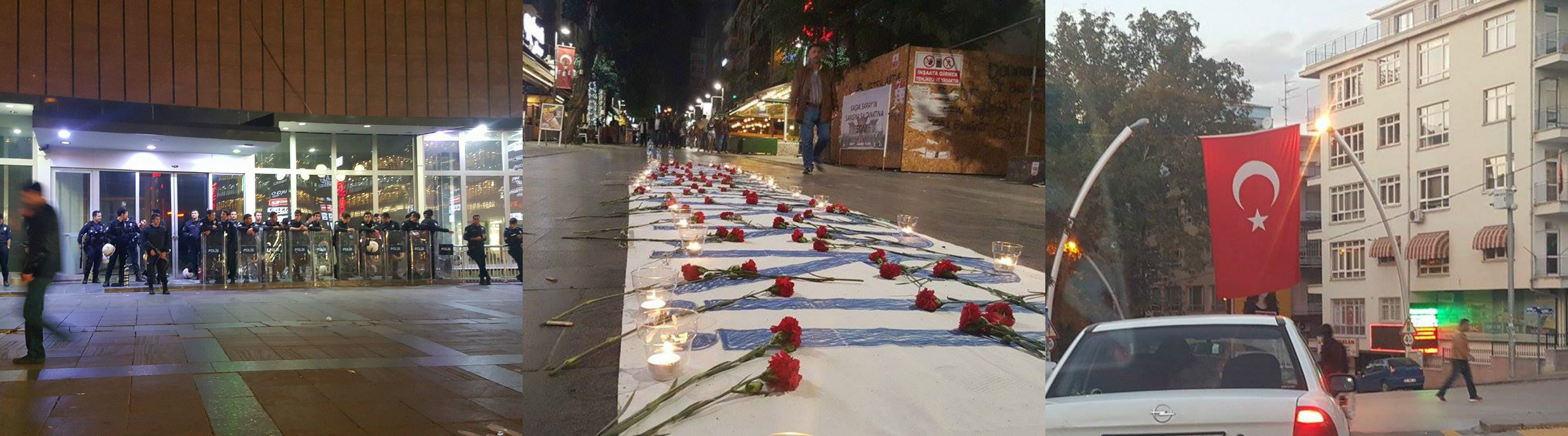
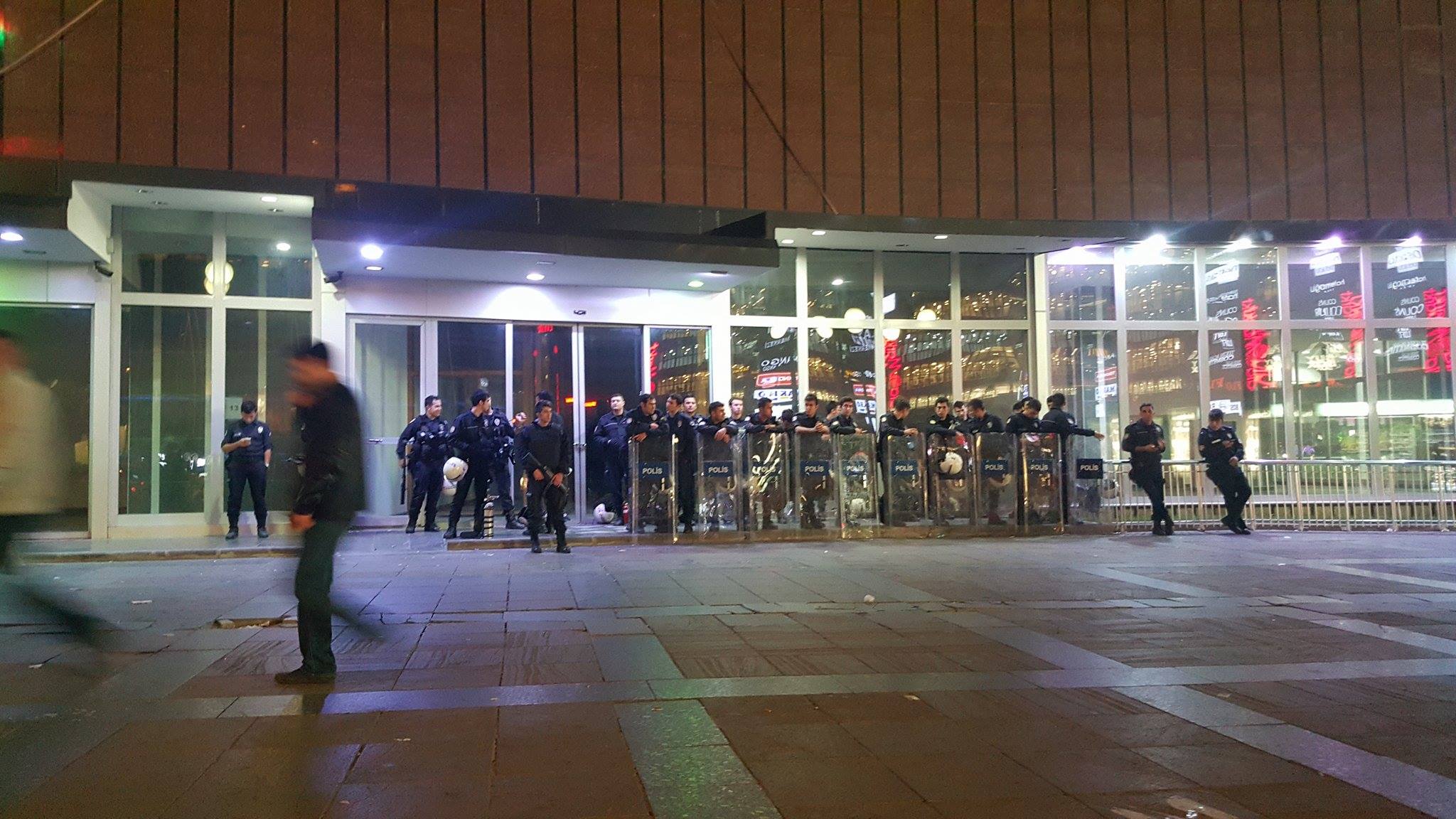
After the conference, my colleagues and I decided to roam around the city at night. I found heavy police presence around Ankara while strolling around. I took a picture of the police, a bad idea as my journalist friend from Kenya pointed out. “But a journalist is forever curious. I’m using this for my story,” I said. My friend just shook his head smiling.
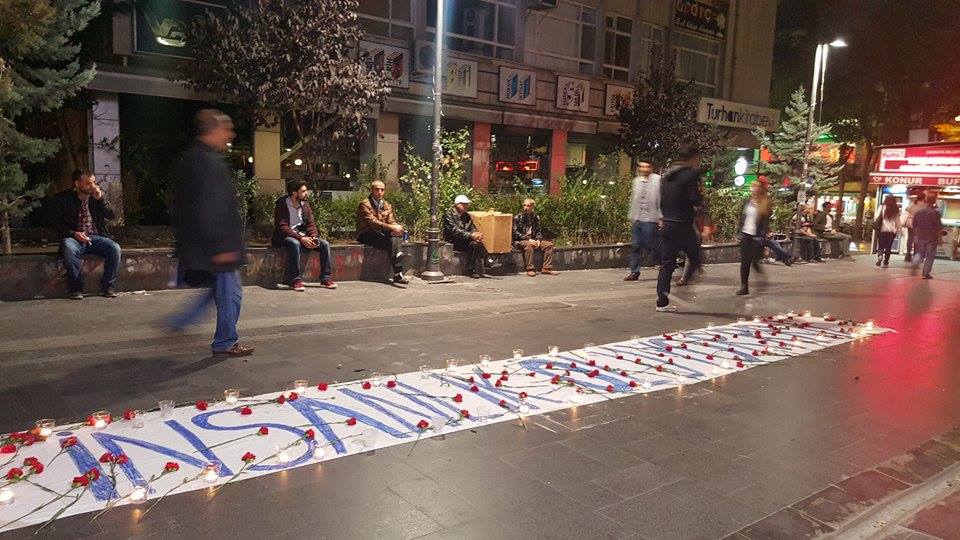
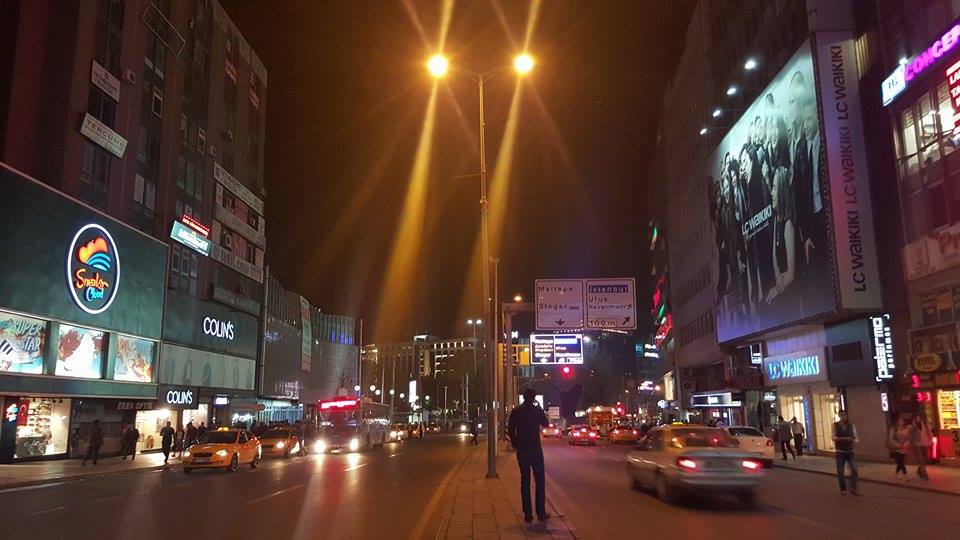
The shopping district of Kizilay, Ankara seemed to be business as usual. People were walking around, chatting away through the cold winter air, haggling for prices in between. But in one particular street, we saw an offering for the dead; flowers and candles adorned the streets to pay tribute to the victims of the blast. We decided not to linger around the city late at night so we went straight home after getting our dinner.
At home, I turned on the television. I found out the Turkish government has imposed a ban on showing bloody and gory images on the news. If this ban is disobeyed, the government warned of total news blackout. There were also reports about having difficulty in accessing social media such as Twitter and Facebook after the blast.
Day one of my trip to Turkey has gone. I’m still 14 days away from home. It was a stressful, and quite frankly, a scary first day. But I’m not afraid. My determination to learn from this experience trumps my fear.
For now, we know we’re safe. I hear a prayer being cited in a moslem from the confines of my hotel room. I don’t understand the words but I’m sure it’s a call for mourning and justice. We, too, are praying for Turkey and all the victims and families of the blast.
[Entry 107, The SubSelfie Blog]
About the Author:

Hon Sophia Balod is a storyteller. She is currently a News Producer of special reports and features for Balitanghali, Saksi, and State of the Nation with Jessica Soho. She is also a media fellow of the Philippine Center for Investigative Journalism for Basic and Advanced Investigative Reporting. Journalism 2010, UP Diliman. Read more of her articles here.




Leave a comment